
Interior Lighting Design Ideas for Contemporary Homes
Interior lighting design plays an essential role in shaping how homes feel throughout the day, influencing atmosphere, comfort, functionality, and emotional wellbeing. Through layered lighting, natural light, architectural illumination, and balanced contemporary interiors, homes can feel calmer, warmer, more spacious, and better connected to everyday living while enhancing both the design and functionality of each space
Pinterior Space: Your Destination for Bespoke Interior Design
Light is essential for life and for your well-being.

Lighting is one of the most powerful tools in interior design. It shapes atmosphere, defines texture, and brings your furnishings to life. When used with intention, lighting can transform a home from flat and functional into something warm, sculptural and quietly sophisticated.
At Pinterior.space, every project begins with understanding how a space is used — its purpose, its rhythm, and the natural light it receives throughout the day. We study the layout carefully, analysing how light interacts with architecture, materials and movement. Good lighting is not simply bright lighting; it is lighting that reveals true colour, avoids glare, and supports the many tasks and moods that unfold within a home.
Our approach to lighting design is meticulous and deeply personal. We consider lifestyle, proportion, and the emotional tone you want your home to hold. Each scheme is crafted to your needs, ensuring that every room feels intentional, functional and beautifully resolved.
Before we explore specific examples, it’s worth remembering this: lighting is not an accessory. It is a design layer that shapes everything around it — from furnishings and finishes to the way you experience your home each day.
Layering Light with Intention
Lighting becomes truly transformative when it is layered with purpose. Instead of relying on a single source, consider how different types of light can work together to shape atmosphere, depth and mood.
Layer your lighting
Combine ambient, task and accent lighting to create a warm, adaptable environment. Overhead fixtures, table lamps and floor lamps each play a different role, allowing you to shift the ambience throughout the day. Layering light adds softness, dimension and a sense of calm.
Use dimmers to shape mood
Dimmers offer subtle control over brightness, helping you move from energising daylight levels to softer, more intimate evening light. They are especially valuable in dining rooms, bedrooms and living spaces where atmosphere matters as much as function.
Highlight what matters
Accent lighting can draw attention to architectural details, artwork or textured materials. A well‑placed directional light can turn a simple object into a focal point, adding sculptural interest and visual rhythm to a room.
Embrace natural light
Large windows, skylights and light wells can flood a space with natural illumination, making it feel brighter, calmer and more expansive. Natural light enhances colour, improves wellbeing and forms the foundation of a balanced lighting scheme.
Thoughtful lighting design is not about brightness — it’s about intention. When layered with care, light becomes a design material in its own right, shaping the way you experience your home every day.
1. Different ways of spreading light
There are many types of lighting, each with its own character and purpose. To design a scheme that truly supports your home, it’s essential to consider the tasks, activities and atmosphere required in each room. The right balance of ambient, task and accent lighting ensures that every space feels functional, comfortable and beautifully resolved.
Working with an experienced interior designer means your lighting is not chosen in isolation — it is tailored to your lifestyle, your architecture and the way you use your home each day. Thoughtful lighting design elevates furnishings, enhances colour, and creates a sense of harmony throughout your interior.
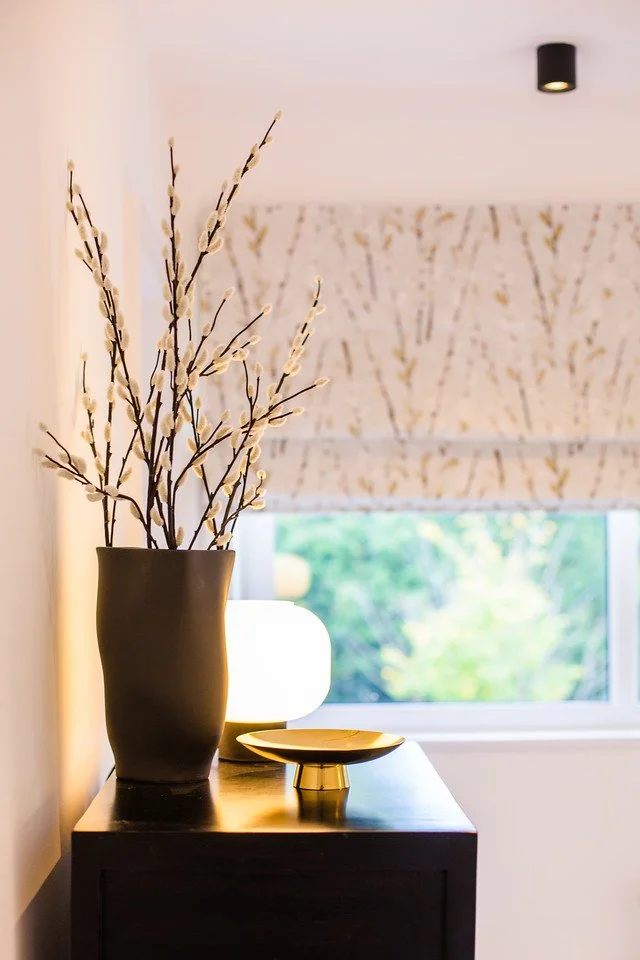
Diffused lights
Diffused lighting creates a soft, even glow that gently fills a room. These lights are typically paired with translucent glass, paper or textile shades, allowing illumination to pass through in a muted, atmospheric way. Instead of casting harsh shadows, diffused light softens contrast, enhances texture and creates a calm, inviting mood. It is one of the most effective ways to bring warmth and subtlety into a space.
Directional lights
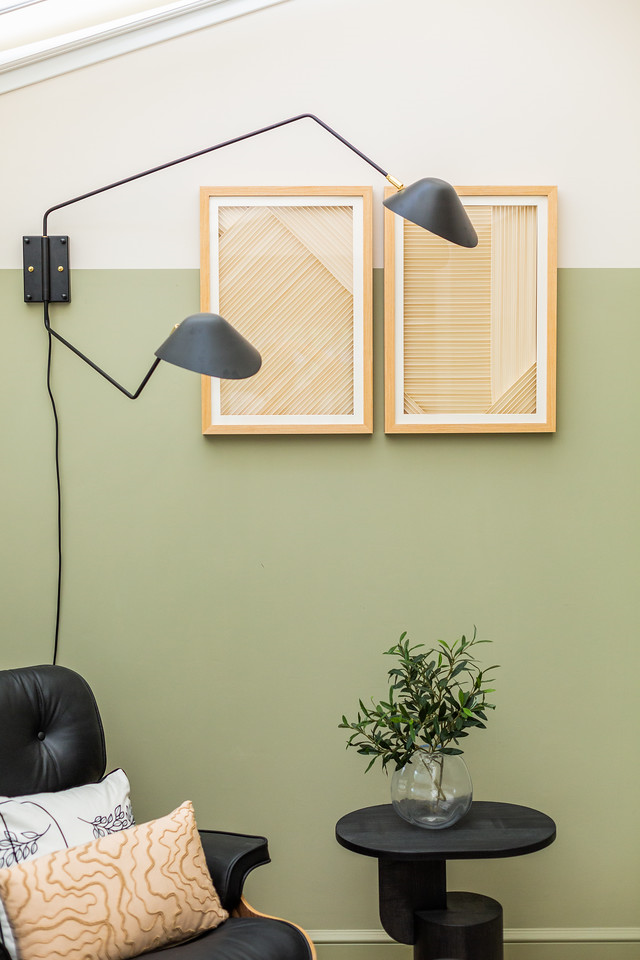
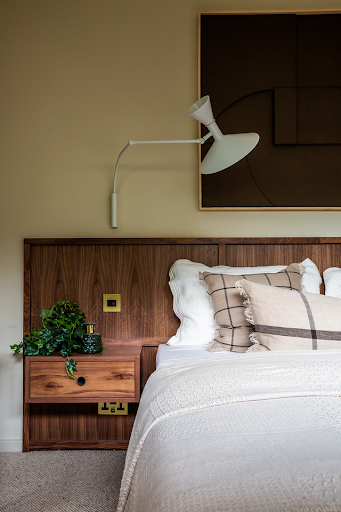
Directional lighting provides focused illumination, guiding the eye toward a specific area or object. These lights typically use opaque metal shades that prevent light from passing through, concentrating the beam instead. The shape of the shade and the position of the fixture determine the size, angle and intensity of the light, making directional lighting ideal for highlighting artwork, reading zones or architectural details.

In many cases diffuse lights need to be combine with directional lamps to fulfil a function and create a atmosphere.
2. General light

General lighting forms the foundation of any well‑designed interior. It provides an even level of illumination across the whole room, without creating harsh shadows or strong contrasts between lit and unlit areas. The right general light depends on the character of the space — its size, orientation, natural light levels, and the daily activities that take place there. It should also reflect the lifestyle and needs of the people who live in the home.
A balanced scheme typically combines general, functional, mood and decorative lighting to create both practicality and atmosphere. General lighting is often achieved through multiple ceiling spotlights or integrated architectural lighting, ensuring the room feels comfortable, usable and visually coherent.

3. Task lighting
Task lighting provides focused illumination for activities that require clarity and precision. In the kitchen, this might mean bright, directed light for food preparation and cooking — often achieved through under‑cabinet lighting or pendant lights positioned above an island. These fixtures reduce shadows on work surfaces and make everyday tasks easier and safer.
In a home office, a combination of overhead lighting and a well‑placed desk lamp creates a balanced environment for reading, writing and computer work. The goal is to reduce eye strain while keeping the space comfortable and visually calm.
Bathrooms also rely heavily on task lighting. Around the vanity, even, shadow‑free illumination is essential for grooming and makeup application. Vertical lights or wall sconces placed on either side of the mirror provide the most flattering and functional result.
In living rooms, task lighting blends with ambient and accent lighting to support reading, hobbies or evening relaxation. A thoughtful mix ensures the space feels both practical and atmospheric.
Task lighting comes in many forms, including:
• desk lamps
• ceiling spotlights
• swing‑arm lamps
• floor lamps
• under‑cabinet lighting
• bedside reading lights
• wall‑mounted reading lights
When chosen with intention, these fixtures support daily routines while enhancing the overall design of your home.
4. Mood / Accent light
Mood and accent lighting form the final layer of a well‑considered lighting scheme. These lights soften the transition between functional and general lighting, creating a warm, intimate atmosphere that feels inviting and personal. They also offer an opportunity to express individuality, adding subtle highlights and visual interest throughout the home.
Floor lamps, table lamps, wall lamps, picture lights, candles and decorative LED strips all contribute to this layer. Each one introduces gentle pools of light, interesting shadows and patterns that enrich the character of a room. When used thoughtfully, mood lighting can draw attention to architectural details, artwork or textured materials, guiding the eye and enhancing the overall composition of the space.


Accent Lighting: Bringing Focus and Character to a Space
Accent lighting is one of the most expressive layers in interior design. It highlights the details that make a home feel personal — artwork, sculptures, architectural features, textured materials or cherished objects. When placed with intention, accent lighting adds depth, creates visual rhythm and elevates the overall composition of a room.
Floor lamps, table lamps, wall lamps, picture lights, candles and decorative LED strips all contribute to this atmospheric layer. Each introduces gentle pools of light that soften the space and create moments of interest. Thoughtful accent lighting doesn’t just illuminate; it guides the eye and enhances the emotional tone of your home.
Natural Light: The Foundation of a Brighter, Calmer Interior
Natural light has an extraordinary ability to transform a space. It makes rooms feel brighter, airier and more expansive, while enhancing colour accuracy and revealing the true texture of materials. Strategically placed windows, skylights, or light tubes can flood a home with daylight, creating a sense of openness and serenity.
Beyond aesthetics, natural light supports wellbeing — improving mood, boosting productivity and helping spaces feel more uplifting and restorative. It can make smaller rooms appear larger and bring clarity to furnishings and finishes. Designing with natural light in mind is one of the most powerful ways to elevate the atmosphere of a home.
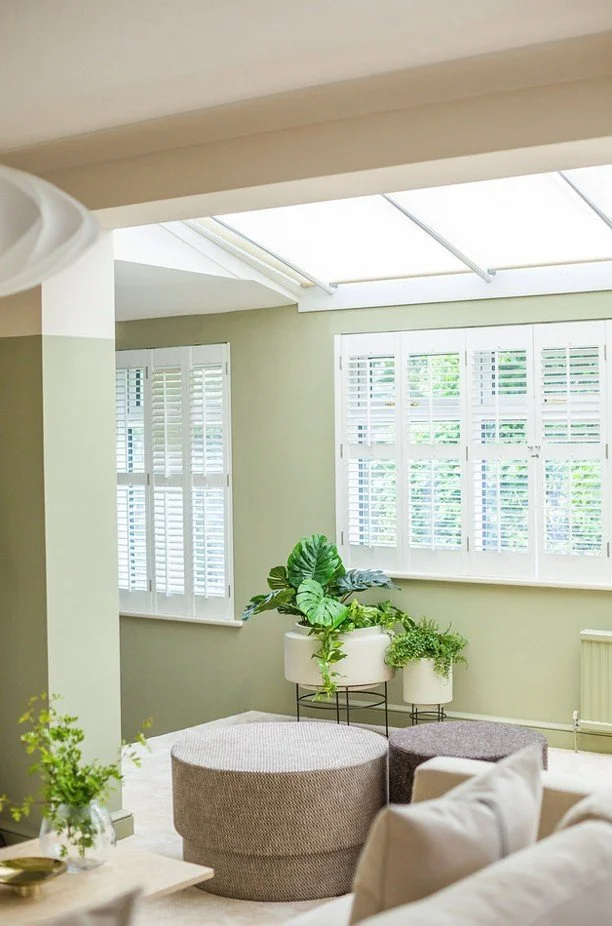
A bright, serene living space from our Gamlingay project, designed to maximise natural light. Large windows with white shutters and a central skylight flood the room with daylight, creating an airy, uplifting atmosphere. Soft green accents, layered textures and indoor plants introduce calmness and biophilic warmth, while rounded ottomans and a neutral sofa add comfort and gentle sculptural form. The space feels open, balanced and quietly contemporary — a clear example of how natural light can transform the mood and character of a home.
Dimmers & Smart Lighting: Shaping Mood with Precision
Dimmers and smart lighting systems offer fine control over brightness, colour temperature and timing. They allow you to shift seamlessly from energising daytime light to softer evening ambience, supporting different activities and moods throughout the day.
Dimmers are ideal for dining rooms, living rooms and bedrooms, where atmosphere matters as much as function. Smart lighting takes this further — enabling you to adjust settings with a tap or voice command, schedule lighting scenes, or create presets for reading, entertaining or winding down.
Used together, dimmers and smart controls bring flexibility, comfort and a sense of quiet luxury to your home.
Avoiding Glare: Balancing Light and Shadow
Contrast is essential for creating depth, but too much difference between light and dark can cause discomfort. When the brightest point in a room becomes overwhelming, the eye is drawn to it, and glare occurs. A well‑balanced lighting scheme avoids this by distributing light thoughtfully, ensuring the space feels comfortable, layered and visually harmonious.
So, if you’re searching for an interior designer near me, reach out to us today via the contact form.
Continue Your Journey
Lighting is one of the most transformative elements in interior design. Beyond simply illuminating a room, it shapes atmosphere, defines architectural features and influences how every material, colour and texture is experienced. When carefully layered and thoughtfully positioned, lighting creates homes that feel welcoming, functional and beautifully balanced.
Read Next
How Lighting Affects Mood in Interior Design
Discover how lighting influences mood, wellbeing and the emotional experience of your home through carefully considered illumination.
How Light and Shadow Shape Interior Design
Explore how the balance between light and shadow creates depth, atmosphere and architectural character within contemporary interiors.
How Natural Light Shapes Interior Design in Cambridge and London
Learn how daylight works alongside artificial lighting to create interiors that respond beautifully throughout the day.
Return to the Chapter
Learn About Interior Design
Explore the principles behind successful interior design, from light and atmosphere to colour, materials, spatial planning and design thinking. Discover how thoughtful design decisions create homes that feel balanced, timeless and deeply personal.