
How to Understand Spatial Potential in Interior Design
Understanding spatial potential is an important part of interior design, helping homeowners see how a space can function, flow, and feel before major decisions are made. Through thoughtful layouts, proportion, natural light, and architectural awareness, interior design can transform underused or awkward spaces into calmer, more functional homes designed around contemporary living.
Interior design begins long before the first sketch or sample board. It starts with a conversation—a moment where a client stands in a room and says, “I’m not sure what to do with this.” And in that moment, your role as a designer shifts from creator to interpreter. You’re not just designing a space; you’re helping someone see it for the first time.
Whether working on a layered period home in Cambridge or a garden-facing extension in Letchworth Garden City, the challenge is the same: guiding clients to read their space with imagination and clarity. These two regions may differ in architectural language—Cambridge steeped in academic heritage, Letchworth shaped by garden city ideals—but both offer rich opportunities for emotionally resonant design.
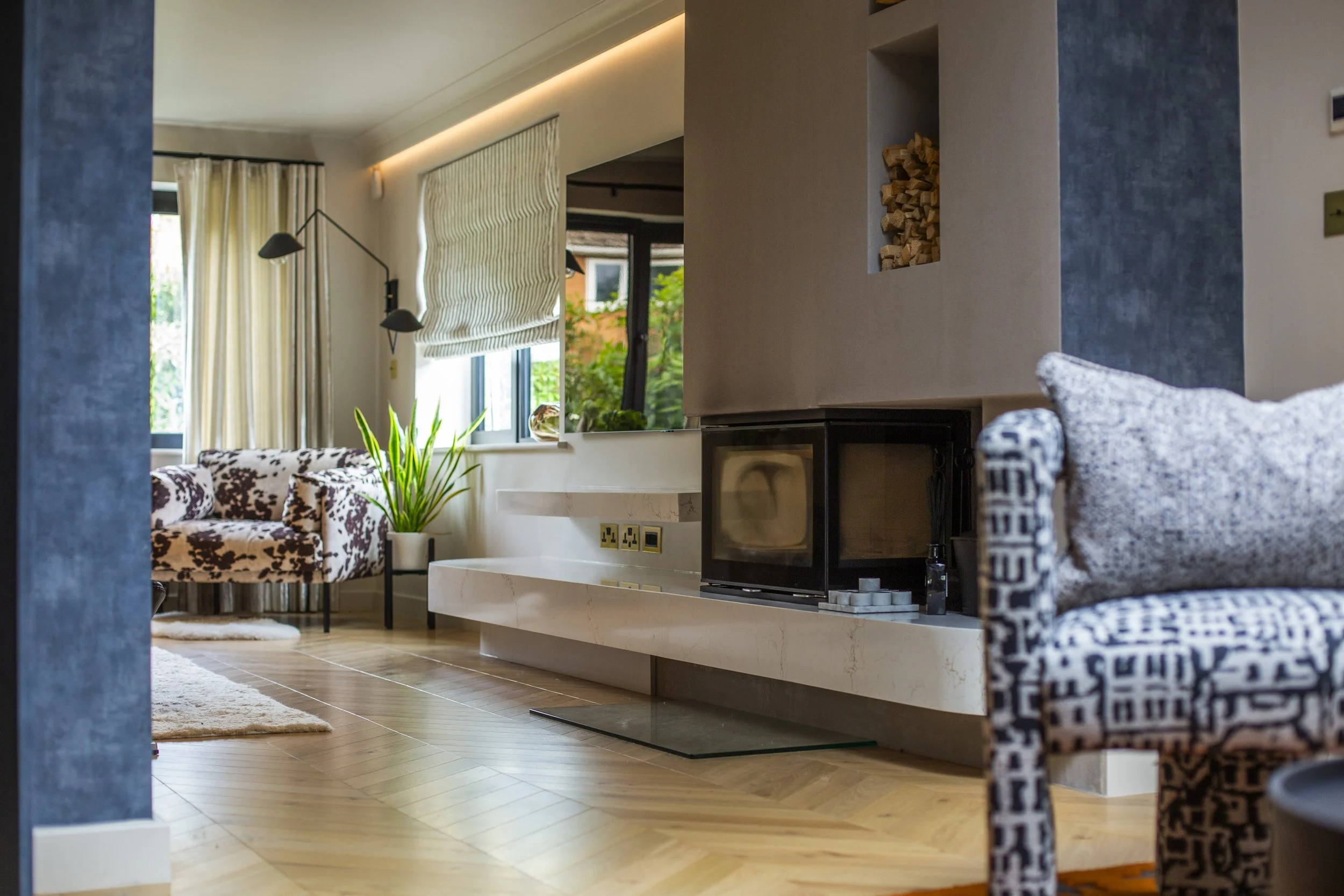
Cambridge Project designed by Pinterior.space. A view from the snug into the living room in the Shelford renovation designed by Pinterior Space. The composition reveals how the layout was intentionally shaped to improve flow, create clear sightlines, and define zones within an open‑plan family home. Every element — from furniture placement to circulation paths — demonstrates how reading a room’s inherent potential guides the design process, allowing clients to understand what the space can become before any styling begins.
Start with Emotion, Not Layout
Before measurements or mood boards, ask your client: How do you want to feel here?
Is this a space for retreat, connection, creativity, or pause?
In Cambridge, that might mean preserving the quiet dignity of a study nook beneath original beams. In Letchworth, it could mean opening up a snug to embrace the garden’s morning light.
By anchoring the design process in emotion, you invite clients to engage with their space on a deeper level. It’s no longer about what fits—it’s about what feels right.
Reading Light: The Quiet Storyteller
Light is often overlooked, yet it’s one of the most powerful tools in shaping spatial experience. Teaching clients to observe how light moves through a room—how it shifts from morning to evening, how it interacts with surfaces and textures—can transform their understanding of what’s possible.
In Cambridge homes, light may be filtered through narrow sash windows, casting soft shadows on aged plaster. In Letchworth, generous glazing and garden-facing layouts invite a more expansive, natural rhythm. Layering artificial light—ambient, task, accent—adds nuance and control, allowing the space to adapt to mood and function.
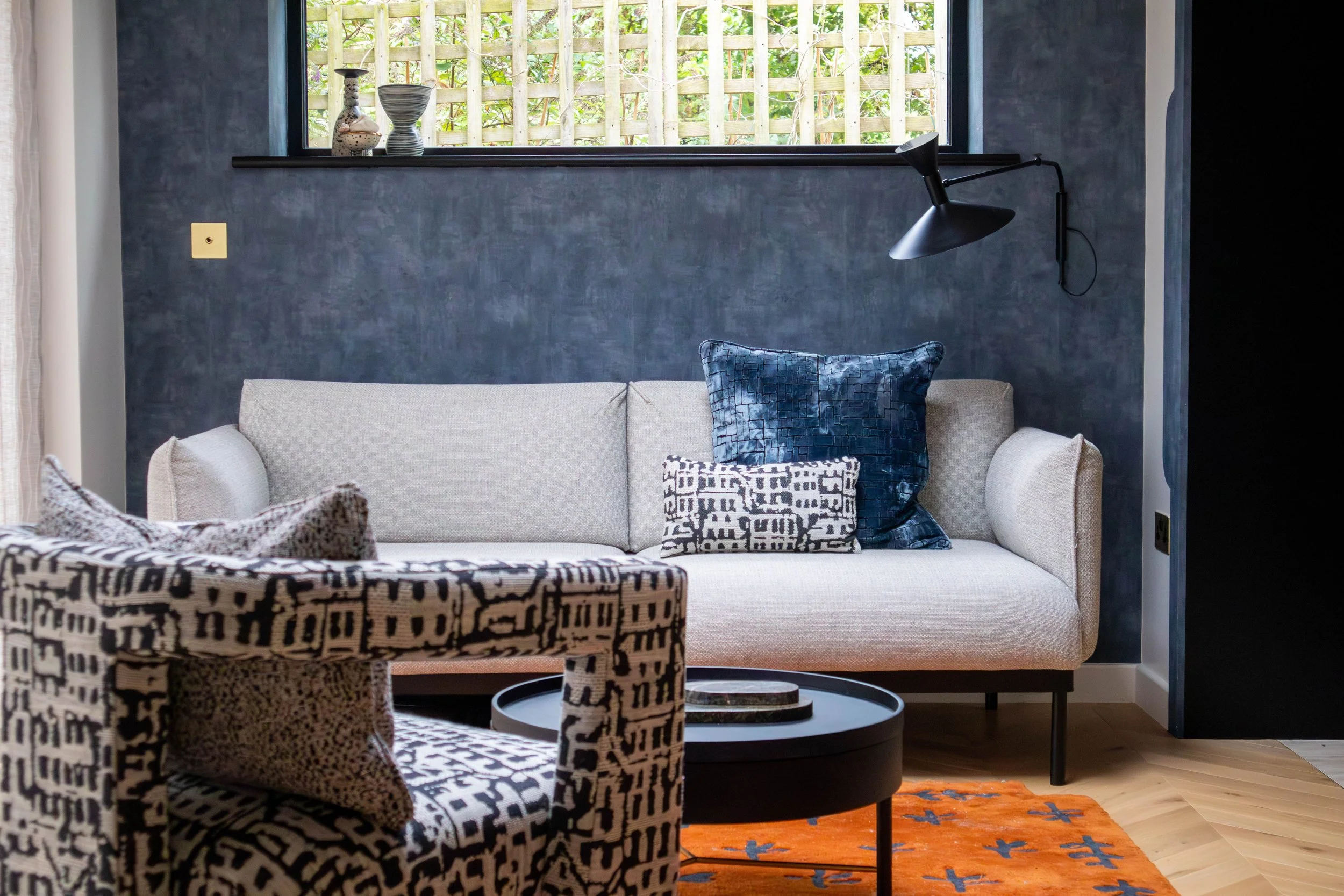
Snug space - Designed by Pinterior.space. A section of the snug in the Shelford renovation designed by Pinterior Space. The space features a calm, well‑balanced layout with soft, layered lighting that shapes atmosphere rather than brightness. The composition highlights how comfort, proportion, and gentle illumination work together — helping clients understand how light influences mood, perception, and the emotional reading of a room.
Texture, Tone, and Material Response
Materials speak. Velvet absorbs light and invites stillness. Linen reflects it, creating movement. A matte wall finish can ground a space, while a gloss surface might energize it. Helping clients understand how texture and tone influence mood is part of the educational journey.
In Cambridge, you might lean into layered finishes and tactile storytelling—Venetian plaster, dark woods, curated lighting. In Letchworth, the palette may shift toward grounded calm and outdoor continuity. But the principle remains: materials are emotional tools, not just aesthetic choices.

Hallway in In Letchworth Garden City, Designed by Pinterior.space. A snapshot of the entry hallway in the Letchworth Garden City project designed by Pinterior.space. The space reveals how proportion, light, and material choices shape the first emotional reading of a home. Soft illumination, thoughtful detailing, and a balanced layout guide the eye naturally through the space — demonstrating how understanding flow and spatial cues helps clients recognise the potential of even the simplest transitional areas.
Flow and Connection
Clients often struggle to see how one room relates to another. Teaching them to read flow—how people move, pause, and connect—can unlock the full potential of a home.
Use colour continuity, material echoes, and architectural rhythm to show cohesion. Whether it’s a snug tucked between kitchen and living room, or a garden-facing lounge with a wood burner, every space should feel like part of a larger story.
Final Thought: Empowering Through Imagination
Reading a room is not about imposing a vision—it’s about revealing one. When clients learn to see their space not just as it is, but as it could be, they become collaborators in the design process. They begin to trust their instincts, articulate their needs, and engage with their homes in a more meaningful way.
Whether in Cambridge’s historic interiors or Letchworth’s garden city homes, the goal is the same: to create spaces that feel deeply personal, emotionally resonant, and beautifully alive.
You can explore more here:
• my [Bathroom Concept Boards → /concept-boards]
• my [Recent Articles → /articles]
• my [Home page ]
Continue Your Journey
Every home holds possibilities that are not immediately obvious. Understanding spatial potential means looking beyond existing furniture and room layouts to see how light, circulation, proportion and architectural features can work together. This way of thinking allows every design decision to begin with possibility rather than limitation, creating homes that are more functional, balanced and enjoyable to live in.
Read Next
Smart Space Planning Ideas for Cambridge Homes
Explore how thoughtful space planning improves functionality, circulation and everyday living through better layouts and carefully considered design.
How to Plan Circulation in Open Plan Homes: Creating Flow, Function and Balance
Discover how movement through a home influences comfort, connection and the overall experience of living within a space.
Common Awkward Layouts and How to Design for Them
Learn practical design strategies for transforming challenging room layouts into spaces that feel balanced, functional and naturally easy to use.
Return to the Chapter
Learn About Interior Design
Explore the principles behind successful interior design, from space planning and design thinking to colour, light, materials and creative process. Discover how professional designers recognise opportunities that transform the way homes look, feel and function.