
Storey’s Way: Cambridge’s Arts & Crafts Masterpiece of Calm, Craftsmanship and Architectural Integrity.
Storey’s Way is one of Cambridge’s most quietly powerful streets — a place where Arts & Crafts architecture still holds its original promise of craftsmanship, proportion and a life lived close to nature. Tucked between the academic calm of West Cambridge and the leafy avenues that lead toward Eddington, this street feels like a world of its own: generous gardens, handmade brickwork, deep eaves, and homes that were designed with intention long before minimalism became fashionable.
As a luxury interior designer in Cambridge and Cambridgeshire, I see Storey’s Way as a rare architectural gift. These homes invite a design approach that is bespoke, timeless and deeply respectful — a balance of heritage and modernity that speaks to families who value calm, craftsmanship and understated luxury.
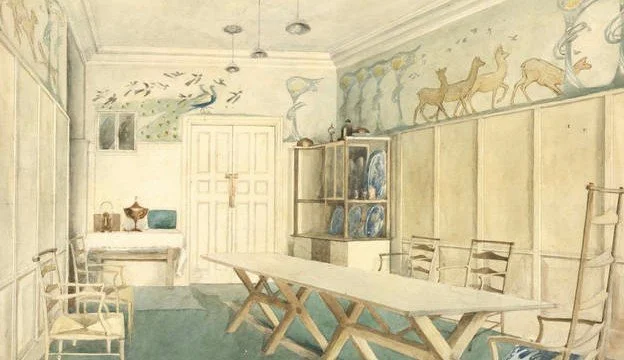
Watercolour, Fleetwood C. Varley, 1901, England. Museum no. E.1903-1990. © Victoria and Albert Museum, London. Arts and Crafts: design for the home · V&A
“A watercolour study of an Arts & Crafts interior, where handcrafted furniture and symbolic murals create a space of quiet richness and architectural integrity.”
1. The Architectural Story of Storey’s Way
Storey’s Way was shaped by the Arts & Crafts movement — a philosophy that celebrated natural materials, honest construction and the beauty of handcrafted details. Walking along the street, you notice:
textured brickwork that catches the light
steep gables and generous rooflines
timber details that feel sculpted rather than manufactured
windows designed to frame gardens, not just illuminate rooms
This is Cambridge at its most architectural — a quiet confidence that mirrors the intellectual heritage of nearby colleges and the serenity of the surrounding neighbourhoods.
2. Why Arts & Crafts Homes Are Perfect for Modern Living
Despite their heritage, these homes adapt beautifully to contemporary life. Families in Cambridge, Comberton, Haslingfield and even Hitchin often seek the same qualities:
natural light
generous proportions
connection to the garden
rooms that feel warm, grounded and human
Arts & Crafts homes deliver all of this effortlessly. Their layouts are intuitive, their materials age gracefully, and their character feels unique without being ostentatious — the essence of quiet luxury.
3. Designing Interiors That Honour the Architecture
A home on Storey’s Way deserves a design approach that is custom, thoughtful and deeply attuned to its architectural DNA.
This is where a luxury interior designer in Cambridge can make a meaningful difference.
The goal is not to recreate the past, but to translate its values into a modern language:
natural palettes that echo the brick, timber and garden tones
bespoke joinery that feels built-in, not added-on
timeless materials like oak, stone, limewash and wool
minimalistic design that allows the architecture to breathe
unique details that feel crafted rather than mass-produced
This is a design that respects the home’s story while creating a calm, contemporary environment for modern family life. I approach every heritage home with the same sensitivity I bring to my Cambridgeshire interior design projects, balancing history with modern living.
“This Ernest Gimson armchair, crafted between 1892 and 1904, reflects the quiet integrity and handmade beauty that defines Storey’s Way. Its proportions, materials and restraint echo the architectural language of the street.”
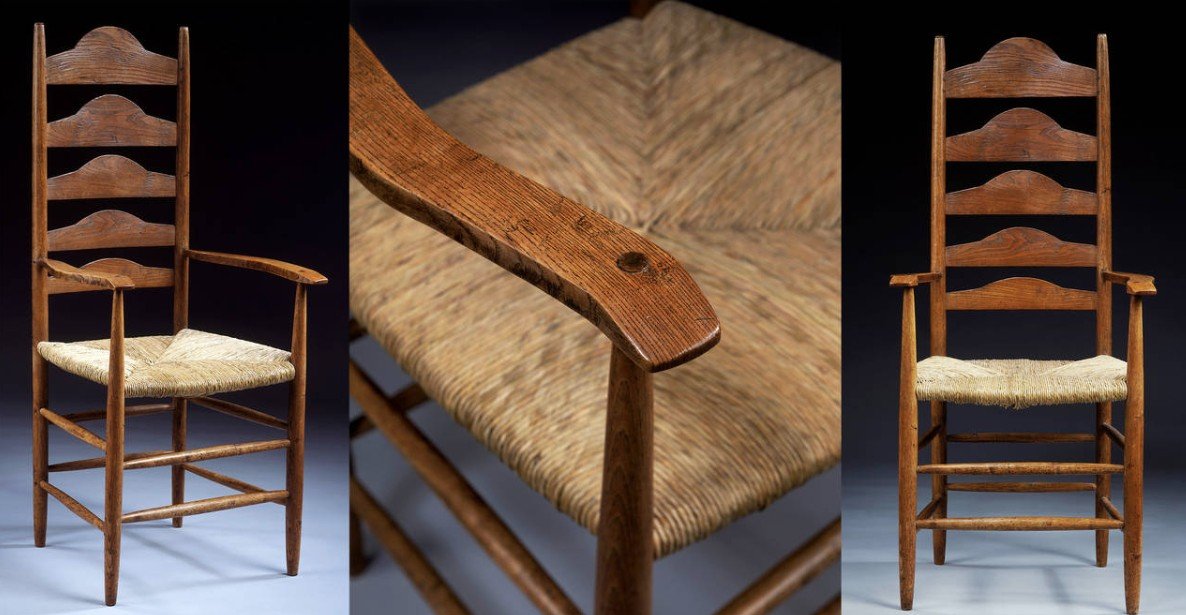
Armchair, Ernest William Gimson, 1892 – 1904, England. Museum no. CIRC.232-1960. © Victoria and Albert Museum, London. Arts and Crafts: design for the home · V&A
4. Creating Calm, Contemporary Spaces Inside Heritage Homes
Storey’s Way lends itself beautifully to a blend of:
This combination creates interiors that feel timeless, minimalistic and deeply luxurious — not because they are filled with expensive objects, but because every detail is intentional.
In homes across Cambridge, South Cambridgeshire villages and Hertfordshire commuter towns like Hitchin and Welwyn Garden City, this approach resonates with families seeking:
clarity
calm
craftsmanship
connection
It’s a design philosophy rooted in wellbeing, not trend.
“This calm, crafted aesthetic also shapes many of my recent projects, including a Japandi interior design project in Cambridge that explores similar principles of natural materials and quiet restraint.”
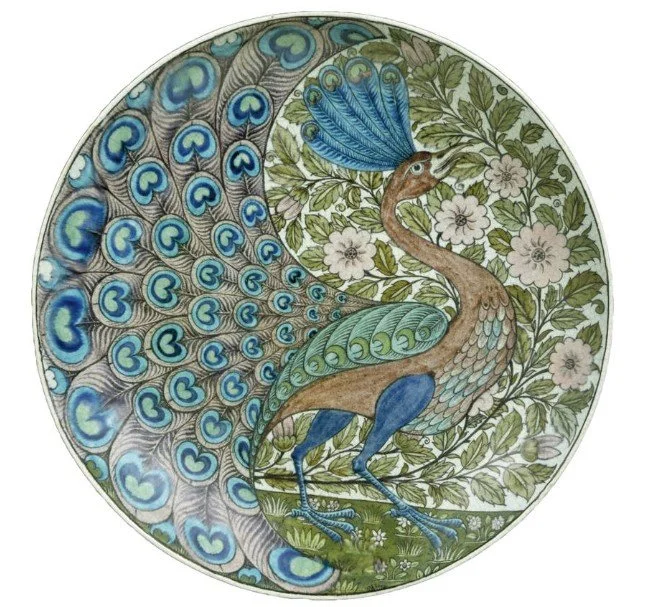
William De Morgan (1839 – 1917)
William De Morgan was a friend of William Morris, and designed stained glass and tiles for Morris's company, Morris, Marshall, Faulkner & Co. Arts and Crafts: design for the home · V&A
Arts and Crafts: design for the home · V&A
5. Extensions on Storey’s Way: What Works (and What Doesn’t)
Many families choose to extend these homes — but the most successful extensions are those that feel seamless and respectful.
What works beautifully:
garden rooms with natural materials
single-storey extensions with soft rooflines
glazing that frames greenery rather than dominating it
continuity of brick, timber and proportion
What doesn’t:
overly modernist boxes
stark contrasts in material
extensions that overpower the original structure
In Cambridge, planning departments value sensitivity — and so do homeowners who appreciate the street’s architectural heritage. This balance between old and new is something I explore deeply in my work, especially in homes where clients want a calm, contemporary interior without losing the building’s soul.
6. Why Storey’s Way Represents the Best of Cambridge Living
Storey’s Way is more than a postcode — it’s a philosophy of living.
It offers:
architectural integrity
mature gardens
proximity to the colleges
quiet prestige
a sense of belonging
It’s the kind of street where families settle for decades, where design choices are made slowly and intentionally, and where the architecture itself encourages a calmer, more grounded way of living.
7. How Pinterior.space Approaches Homes on Storey’s Way
My work across Cambridge, South Cambridgeshire villages and nearby Hertfordshire towns is rooted in the same values that shaped Storey’s Way:
bespoke design that honours the home
timeless interiors that age gracefully
unique details crafted with intention
minimalistic calm that supports modern life
custom solutions for families who value beauty and practicality
Whether designing for a period cottage in Comberton, a riverside home in Wyboston, or an Arts & Crafts masterpiece on Storey’s Way, my approach remains the same:
create spaces that feel grounded, poetic and quietly luxurious.
If you are planning a High‑End Residential Design or Bespoke Kitchen Design project in Cambridge, the Cambridgeshire villages, St Neots, Sandy, Biggleswade, Wyboston, Caldecote, Comberton, Gamlingay, Royston, Hitchin, Welwyn Garden City, or London, we invite you to book a confidential Discovery Call with our Creative Director.
Begin your narrative of place, purpose, and poetic living with Pinterior.space — whether you’re along Grange Road or anywhere across the Cambridge region.
“If you’re renovating a period home in Cambridge or the surrounding villages, you may also enjoy my guide to designing interiors for heritage homes.”
Ready to design with intention? Book your free consultation today.
You can explore more here:
• my [Bathroom Concept Boards → /concept-boards]
• my [Recent Articles → /articles]
• my [Home page ]
Continue Your Journey
The finest architecture continues to inspire long after it was first built. Streets like Storey's Way remind us that craftsmanship, proportion and respect for materials are timeless principles that remain just as relevant in contemporary homes today. Understanding the character of a place allows interior design to feel authentic, sensitive and deeply connected to its surroundings.
Read Next
Contemporary Interior Design for Cambridge Period Homes
Discover how contemporary interiors can complement historic architecture while preserving the character and craftsmanship that make period homes unique.
How to Modernise Period Homes in Cambridge
Learn how thoughtful renovation can introduce contemporary living while protecting the architectural qualities that define a period home.
Adams Road: A Poetic Study in Cambridge Architecture and Foliage
Explore another of Cambridge's distinctive streets and discover how architecture, landscape and a strong sense of place continue to influence thoughtful design.
Return to the Chapter
Places & Design Stories
Explore places where architecture, history and local character inspire thoughtful interior design. Discover how understanding the identity of a place helps create homes that feel authentic, timeless and deeply connected to their surroundings.