
How to Mix Scandinavian, Nordic and Japanese Interior Design Styles
Mixing Scandinavian, Nordic, Japanese, and contemporary interior design styles requires a thoughtful balance between simplicity, warmth, texture, and spatial harmony. Through natural materials, restrained colour palettes, soft lighting, and carefully layered interiors, different design influences can work together to create homes that feel calm, cohesive, and connected to modern everyday living without appearing visually cluttered or disconnected.
Explore Related Design Guides
Japandi Interior Design Ideas for Period Homes in Cambridge and Hertfordshire
Scandinavian and Nordic Interior Design Ideas for Cambridge Homes
Japanese Interior Design Ideas for Contemporary Homes
Modern vs Contemporary Interior Design Explained
Interior Design Styles Explained for Contemporary Homes
Blending interior design styles like Nordic, Japanese, Scandinavian, and Contemporary can result in a unique, balanced, and stylish home. But without thoughtful planning, it can feel mismatched. The secret? Harmony through textures, lighting, and statement pieces that bring cohesion to the space.
Looking for expert guidance? Work with an experienced Interior Designer in Cambridge!
Not sure which design style is right for your space? Read our guide on How to Choose the Right Interior Design Style.
1. Find Common Ground Among the Styles
These four aesthetics share core design principles:
Minimalism & Functionality: Clean lines, clutter-free spaces
Natural Materials: Wood, stone, linen, glass
Neutral Color Palettes: Soft whites, beiges, muted earthy tones
By focusing on these common elements, you create a seamless fusion rather than competing aesthetics.
Want to learn more about Scandinavian interiors? Check out our post on Cosy Scandinavian Design Essentials.
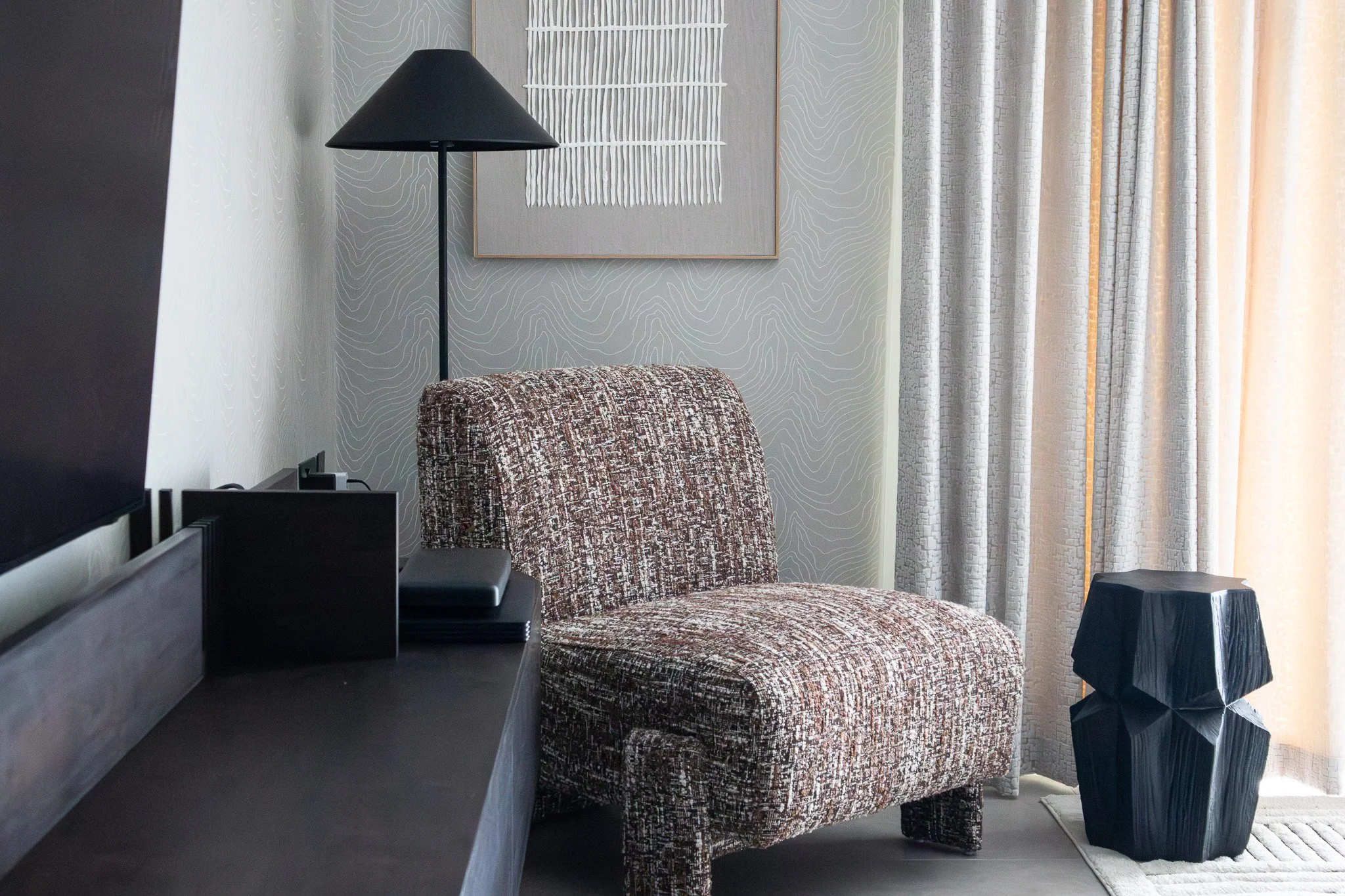
This modern corner of the Water Lane project in Cambridge, designed by Pinterior.space, blends Nordic softness, Japanese restraint, and contemporary detailing. A bespoke walnut TV media unit anchors the space, paired with a textured lounge chair, sculptural side table, and layered neutral tones. The wavy wallpaper, minimalist artwork, and soft curtains introduce a calm, Scandinavian‑influenced atmosphere, showing how natural materials and clean lines can mix across styles without clashing. The composition reflects the project’s modern design language while illustrating the harmony possible when Nordic, Japanese, and contemporary aesthetics meet.
2. Layer Textures & Materials for Depth
A well-balanced mixed interior should feel warm and inviting. Achieve this through texture contrasts:
Nordic & Scandinavian: Soft wool rugs, linen curtains, handcrafted ceramics
Japanese: Bamboo panels, shoji screens, raw wood finishes
Contemporary: Polished marble, sleek metal fixtures, glass accents
Looking to enhance your home’s textures? Read our tips on Home Interior Design and how to furnish your home with Textiles
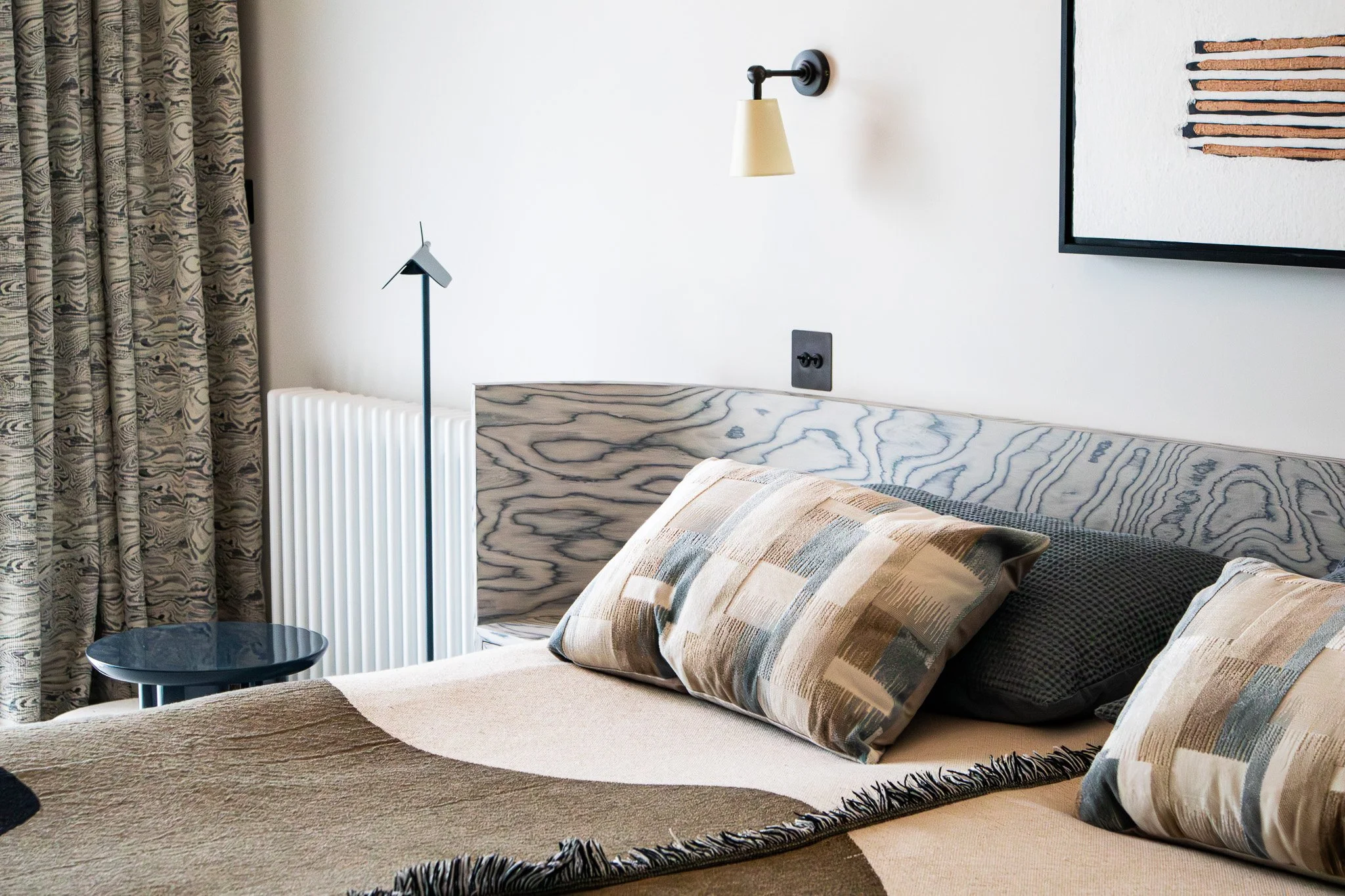
Bespoke curved headboard designed by Pinterior.space.This modern bedroom from the Water Lane project in Cambridge, designed by Pinterior.space, showcases a bespoke curved headboard that becomes the sculptural centrepiece of the space. Patterned curtains, contemporary wall art, and a minimalist floor lamp introduce texture and visual rhythm, while layered neutral bedding softens the overall composition. The design reflects the project’s new‑build renovation approach, blending custom craftsmanship with a calm, contemporary interior style.
3. The Power of Lighting: Creating Mood & Balance
Lighting plays a vital role in blending different design styles seamlessly. Consider:
-Layered Lighting: Combine ambient, task, and accent lighting for depth
-Scandinavian Warmth: Soft, diffused pendant lights, warm LED bulbs
-Japanese Serenity: Paper lanterns, soft glows, indirect lighting
- Contemporary Elegance: Sleek floor lamps, bold statement chandeliers
Need lighting ideas? Read our guide on How to Use Lighting to Transform Your Space.
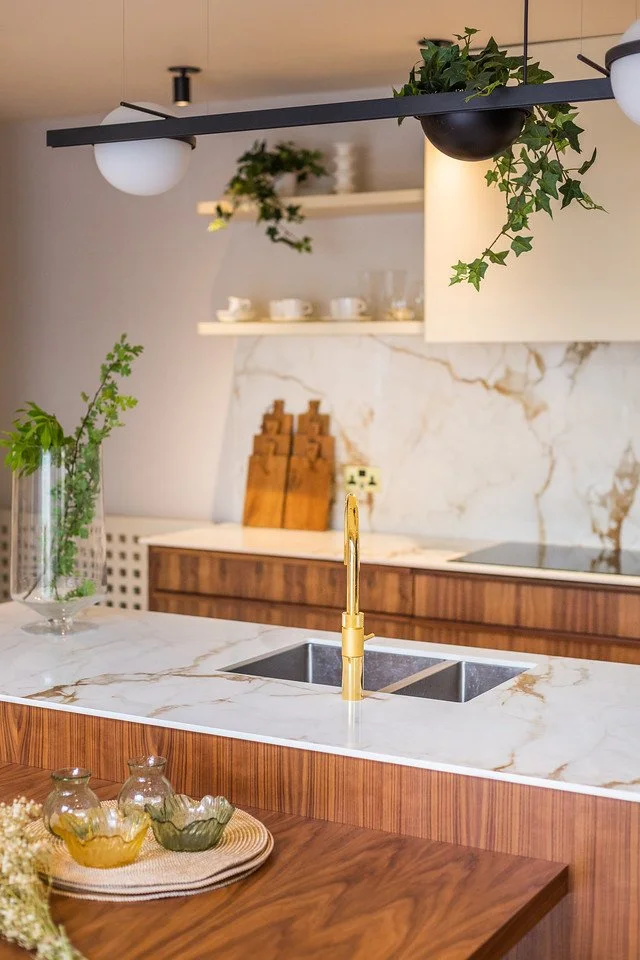
This view of the bespoke kitchen from the Gamlingay house renovation, designed by Pinterior.space, blends modern Nordic and Scandinavian influences with warm natural materials. The marble worktop, gold tap, and rich‑grain cabinetry create a calm, contemporary atmosphere, softened by greenery and sculptural lighting. Open shelving, layered textures, and curated accessories reinforce the clean, functional elegance that defines the project’s modern design style.
4. Step-by-Step Guide to Mixing These Styles
Step 1: Define Your Dominant Style
Choose one core aesthetic (Nordic, Japanese, Scandinavian, or Contemporary) as your base.
Step 2: Select Complementary Accent Pieces
If Scandinavian is dominant, add Japanese accents like low-profile furniture or bamboo details.
Step 3: Focus on Balancing Textures & Lighting
Layer soft wool (Nordic), raw wood (Japanese), sleek metals (Contemporary) for depth.
Step 4: Introduce Statement Pieces
A standout Contemporary chandelier or Scandinavian lounge chair can tie mixed styles together.
Want more styling guidance? Read our post on How to Make a Small Space Feel Bigger.
5. Statement Pieces That Bring Personality
A well-chosen statement piece bridges the styles seamlessly:
Nordic: Wooden lounge chairs in neutral tones
Japanese: A Zen-style coffee table with organic edges
Scandinavian: Cosy Hygge-inspired wool throws and cushions
Contemporary: A bold, sculptural chandelier or metal-framed mirror
Looking for statement piece recommendations? Consult our Interior Designers Near Me.
Case Study: Nordic-Japanese Fusion in a Cambridge Home
A recent interior makeover blended Scandinavian warmth with Japanese simplicity in a Cambridge home.
- Soft neutral colours (off-white, soft greys)
-Layered lighting (warm LED tones with paper lantern accents)
-Minimalist furniture with cosy Scandinavian textures
Want to see more transformations? Explore our Contemporary Designer Projects.
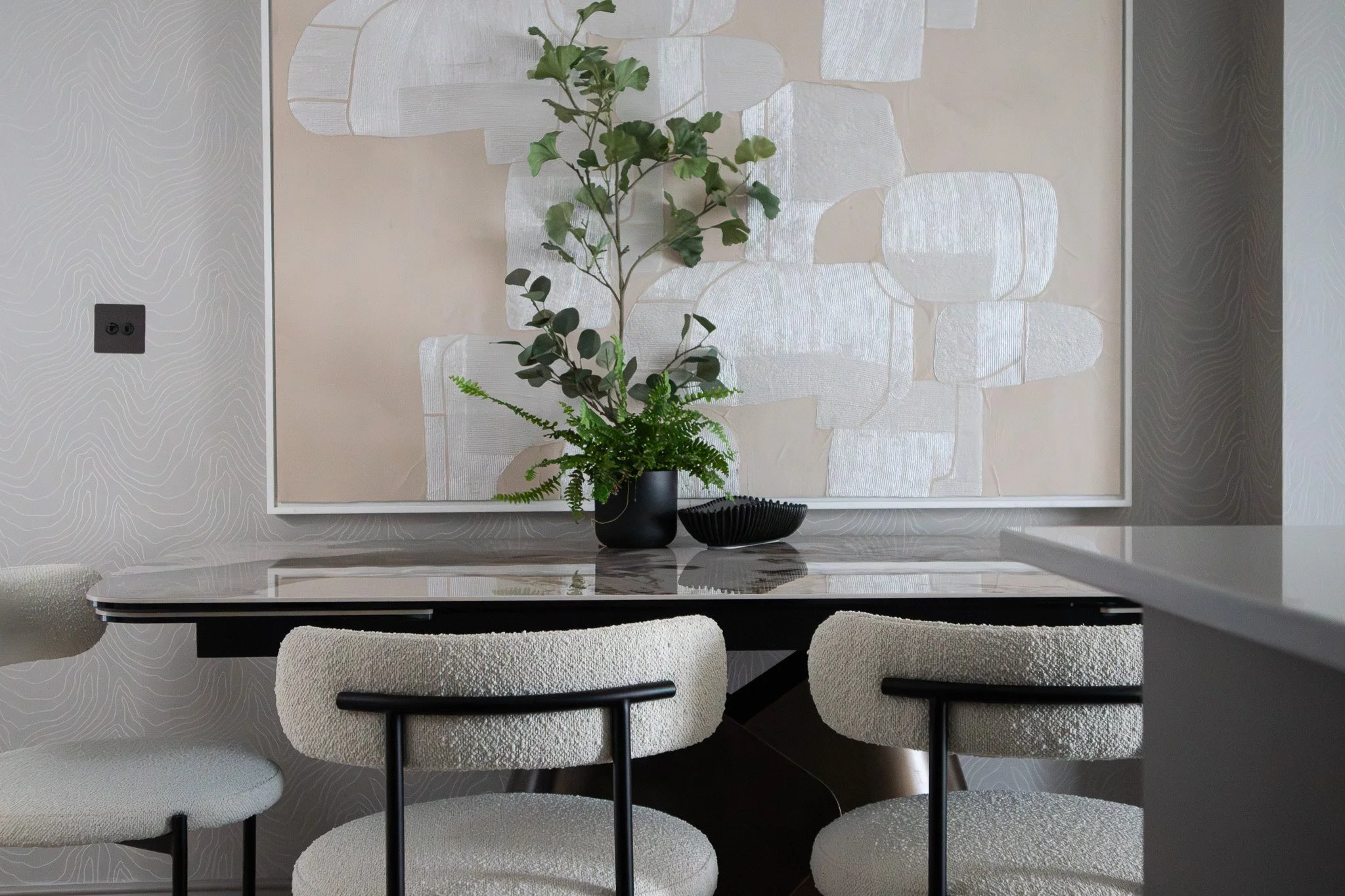
This dining area from the Water Lane project in Cambridge, designed by Pinterior.space, showcases a bespoke piece of wall art created using Elitis wallpaper. The textured artwork becomes the focal point of the room, complementing the black dining table, sculptural décor, and light upholstered chairs. Soft, organic wall patterns and a restrained neutral palette reinforce the project’s modern, contemporary design style, highlighting Pinterior.space’s commitment to custom, crafted detailing.
FAQ: Common Questions About Mixed Interiors
Q1: What’s the easiest way to mix interior styles?
Start with a neutral base, then introduce accents like lighting, furniture, and decor from secondary styles.
Q2: How do I balance minimalist and maximalist elements?
Use layering—keep furniture streamlined but add bold statement pieces to add character.
Q3: What colours work best with Scandinavian and Japanese styles?
Soft earth tones—beige, taupe, muted greens, and natural wood tones—create harmony.
Need more home styling answers? Check out our blog on Interior Design Mistakes to Avoid.
Final Thoughts: Confidence is Key!
Mixing interior styles is an art, not a rigid formula. By thoughtfully blending textures, colours, lighting, and statement pieces, you can create a modern, stylish home that reflects Nordic, Japanese, Scandinavian, and Contemporary influences while maintaining warmth and personality.
Which design combination speaks to you the most? Let’s discuss in the comments below!
Need expert guidance? Connect with a trusted Interior Designer in Cambridge.
Continue Your Journey
The most successful interiors are rarely defined by a single style. By understanding the shared values of Scandinavian, Nordic and Japanese design—simplicity, craftsmanship, natural materials and thoughtful living—you can create a home that feels cohesive, personal and effortlessly calm rather than themed or predictable.
Read Next
Japandi Interior Design Ideas for Calm Contemporary Living
Explore how Japanese and Nordic influences come together to create beautifully balanced interiors centred on simplicity, warmth and intentional living.
Nordic and Japanese Interior Design Ideas for Contemporary Homes
Discover the shared design philosophies that unite Nordic and Japanese interiors through craftsmanship, nature and timeless design.
Japanese Interior Design Ideas for Calm Contemporary Homes
Learn how Japanese principles of simplicity, light and intentional living create peaceful spaces that inspire contemporary interiors.
Return to the Chapter
Interior Design Styles & Ideas
Explore timeless interior design styles, inspiring ideas and thoughtful design approaches that help you create contemporary homes with character, balance and lasting appeal.