
Interior Design Ideas for Moving from London to Cambridge
Moving from London to Cambridge often changes more than location — it changes the way people want to live within their home. Interior design can help support this transition through calmer layouts, better storage, natural materials, improved light, and spaces designed for slower, more intentional living. Thoughtful contemporary interiors create homes that feel balanced, functional, and connected to a new rhythm of everyday life.
A guide for those moving between two worlds — and the homes that must evolve with them.
YOU’RE NOT JUST MOVING CITIES. YOU’RE CHANGING THE ARCHITECTURE OF YOUR LIFE.
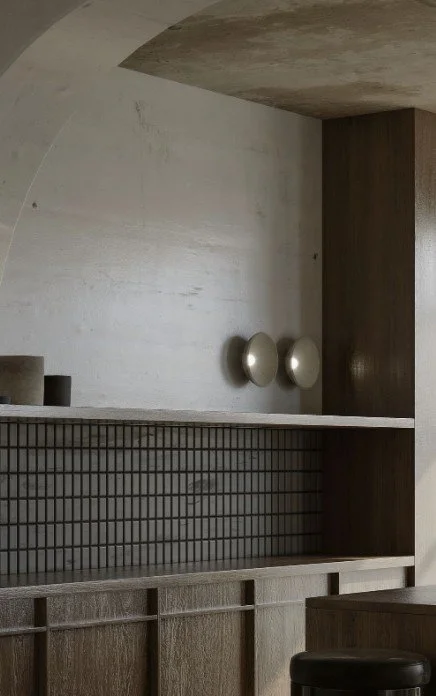
A quietly powerful interior that reflects the emotional shift from London pace to Cambridge calm. The wooden counter, grid-patterned tiles, and soft wall lighting create a space that feels intentional, tactile, and timeless — a perfect embodiment of concept-led design. Pin on Kitchen
When someone relocates from London to Cambridge or the Cambridgeshire villages, the shift is far deeper than a change of address.
It’s a change in rhythm, in light, in space, in silence.
It’s a change in how you rest, how you cook, how you store things, how you breathe.
London and Cambridge are not opposites.
They are two different emotional landscapes — each shaping the way people live, think, and feel.
This article explores what happens when you move between these worlds, and how thoughtful interior design Cambridge ensures your new home supports the life you’re stepping into.
1. LONDON PACE — A LIFE DESIGNED FOR INTENSITY, PROXIMITY, AND CURATED LIVING
Even in London’s most prestigious neighbourhoods — Kensington, Hampstead, Chelsea, Marylebone, Richmond, Chiswick, Wimbledon Village — life is shaped by a certain vertical energy.
Homes here are:
• architecturally layered
• beautifully curated
• designed for efficiency
• shaped by proximity and movement
• intentional rather than expansive
These are not compromised spaces. They are sophisticated, elegant, and deeply considered.
But they encourage a lifestyle built around:
• pace
• precision
• curated possessions
• fast decision-making
• rooms that work hard
• storage that is discreet rather than generous
London shapes people to live lightly, efficiently, and at speed — and this is where thoughtful interior design London becomes essential in understanding how these habits evolve when relocating to Cambridge or the Cambridgeshire villages.
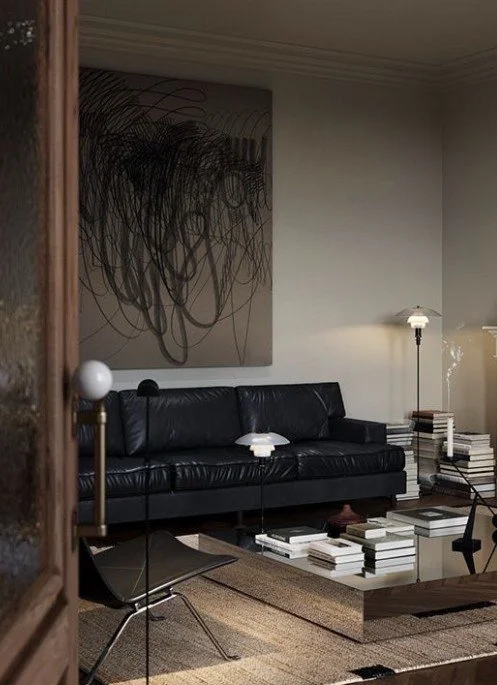
A tactile, light-filled interior that reflects the emotional clarity of London living. The interplay of wood, plaster, and soft illumination creates a space that feels grounded, intentional, and quietly luxurious — a signature of concept-led design. (243) Pinterest
2. CAMBRIDGE CALM — A LIFE DESIGNED FOR PRESENCE, LIGHT, AND HERITAGE
Cambridge and the Cambridgeshire villages offer a different architectural rhythm — horizontal, light-filled, heritage-led.
Homes in Newnham, Trumpington, Chesterton, Grantchester, Girton, Madingley, Great Shelford, Stapleford, and the surrounding villages breathe differently.
Here, architecture invites:
• slower mornings
• softer transitions
• rooms with emotional purpose
• natural light that moves through the day
• materials that age beautifully
• a deeper connection to nature
Cambridge and the Cambridgeshire villages offer a different architectural rhythm — horizontal, light‑filled, heritage‑led.
Space becomes generous, sensory, and emotionally grounded. Life expands. People expand with it.
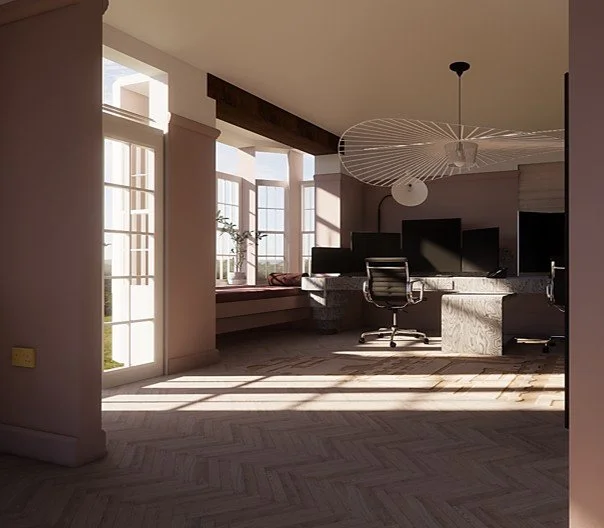
A serene, light-filled workspace that reflects the clarity and calm of Cambridge living. The built-in window seat, layered textures, and herringbone flooring create a space designed for presence, not pace — a quiet shift from London intensity to Cambridgeshire intention.
3. THE EMOTIONAL TRANSITION — WHO YOU BECOME WHEN YOU MOVE
Relocating from London to Cambridge or Cambridgeshire is often a turning point — a shift in identity as much as geography.
You may find yourself:
• slowing down
• noticing light
• craving order
• wanting clarity
• seeking calm
• longing for a home that supports wellbeing
• wanting storage that actually works
• desiring rooms that feel intentional, not improvised
This is where interior design becomes emotional architecture. Your home becomes the bridge between who you were and who you’re becoming — and this is where an Interior Designer in Cambridgeshire can guide that transition with clarity and intention.
4. THE ARCHITECTURAL TRANSITION — WHAT YOUR NEW HOME NEEDS
A London home and a Cambridge home ask for different design responses.
Storage
London storage is curated and discreet.
Cambridgeshire storage is architectural — integrated, bespoke, generous. Cambridgeshire storage is architectural — integrated, bespoke joinery, generous.
Light
London light is controlled and framed.
Cambridge light is expansive, directional, and ever-changing.
Flow
London flow is compact and efficient.
Cambridge flow is layered, sensory, and slower.
Materials
London often leans contemporary and polished. Cambridge leans tactile, timeless, natural.
Rooms
London rooms are multi-purpose. Cambridge rooms are emotionally defined. Your home must adapt to the new rhythm — not the old habits.
5. THE CONCEPT — PROTECTING THE STORY OF YOUR NEW LIFE
When people relocate, they often bring London decisions into Cambridge architecture — and the result can feel mismatched.
This is where a concept design becomes essential.
• protects the emotional direction
• creates cohesion across rooms
• prevents impulsive decisions
• ensures materials belong together
• anchors the renovation in clarity
• honours the architecture of Cambridge and the lifestyle of Cambridgeshire villages
It’s the difference between a house that looks good and a home that feels right.
6. DESIGNING THE KEY ROOMS FOR A NEW LIFE RHYTHM
Kitchen Design
In London, the kitchen is often efficient and compact.
In Cambridge, it becomes the heart of the home — a place for slow mornings, generous storage, and thoughtful flow.
Bathroom Design
London bathrooms are functional.
Cambridge bathrooms become restorative — shaped by light, texture, and calm.
Bedroom Design
London bedrooms are often minimal out of necessity.
Cambridgeshire bedrooms invite bespoke joinery, sensory quiet, and emotional rest.
7. THE ROLE OF A DESIGNER — A GUIDE THROUGH THE TRANSITION
A designer becomes essential during relocation because they help you:
• understand your new lifestyle
• interpret the architecture
• create storage that works
• define the emotional purpose of each room
• design with clarity, not impulse
• build a home that supports your new chapter
It’s not about making things pretty. It’s about making life feel right.
CONCLUSION — A HOME THAT FITS YOUR NEW LIFE
Moving from the London pace to the Cambridge calm is not a downgrade or an upgrade.
It’s a transformation.
Your home becomes the bridge between two worlds — the energy of London and the serenity of Cambridge, the sophistication of the city and the spaciousness of the villages, the life you had and the life you’re creating.
If you’re planning a renovation in London, this guide breaks down real costs and considerations → Bathroom Renovation Cost London 2026: Budget, Planning & Tips
Design is how you honour that transition.
Design is how you make it yours.
Your home is more than a structure—it is a legacy. Bespoke joinery transforms properties in Cambridge, Cambridgeshire villages, St Neots, Sandy, Biggleswade, Royston, Hitchin, Welwyn Garden City, and London into timeless investments, balancing aesthetic refinement with financial preservation.
If you are planning a High-End Residential Design project in the Cambridgeshire area, we invite you to book a confidential Discovery Call with our Creative Directorto assess the potential of your vision.
Ready to design with intention? Book your free consultation today.
Continue Your Journey
Moving home often changes more than your address—it changes your routines, priorities and the way you experience everyday life. Thoughtful interior design helps translate these changes into spaces that feel calm, functional and deeply connected to the people who live there. When a home reflects the rhythm of your life, it becomes far more than a place to live.
Read Next
How Emotional Interior Design Creates Homes That Feel Comfortable
Explore how thoughtful design decisions shape spaces that feel welcoming, personal and emotionally connected to everyday living.
How Interior Design Improves Wellbeing in Modern Homes
Discover how natural light, considered layouts and calming interiors can support wellbeing and create homes designed around the way you live.
Why Your Home Feels Disconnected (And It's Not Just The Furniture)
Understand how layout, flow and the relationship between spaces influence the way a home feels, often more than decoration alone.
Return to the Chapter
Learn About Interior Design
Explore the principles behind successful interior design, from colour and lighting to spatial planning, wellbeing and design thinking, and discover how professional designers create homes that feel balanced, functional and deeply personal.