
Modern and Contemporary Interior Design in Cambridge and London
Modern and contemporary interior design in Cambridge and London often requires a careful balance between architecture, functionality, and calm modern living. From period homes and city apartments to architecturally complex spaces, thoughtful interior design can improve flow, maximise natural light, and create interiors that feel refined, practical, and connected to the character of the home.
Interior design today is not about decoration — it is about architecture, proportion and clarity. As a modern interior designerworking across Cambridge, Cambridgeshire and London, my work begins long before furniture is chosen. It begins with structure, alignment, light and the quiet logic that makes a room feel inevitable.
Clients searching for aninterior designer near me, a modern interior designer in Cambridge or acontemporary interiordesigner in London are often looking for more than a style. They are seeking a way of living — a home that feels calm, intentional, and beautifully resolved.
This guide brings together everything you need to know:
how interior design works, how concept design shapes a project, what modern and contemporary interiors really mean, and how to choose the right designer for your home.
1. What Interior Design Actually Is
Interior design is the architectural shaping of interior space.
It is not styling.
It is not decoration.
It is the discipline of creating rooms that feel proportionally balanced, materially honest and emotionally coherent.
If you’d like support applying these principles to your own home, you can learn more about my[design process → /process].
A modern interior designer in Cambridge or London works with:
spatial planning
proportion and alignment
material palettes
lighting strategy
joinery and built‑in elements
kitchen and bathroom design
concept design and visual direction
This is the foundation of quiet luxury: not opulence, but precision.
2. Modern vs Contemporary Interior Design
Modern Interior Design
Modern interiors are rooted in early–mid 20th‑century principles:
clean lines, functional forms, natural materials and architectural clarity.
Many clients searching for a modern interior designer in Cambridge or a modern kitchen design in London are drawn to this grounded, timeless aesthetic.
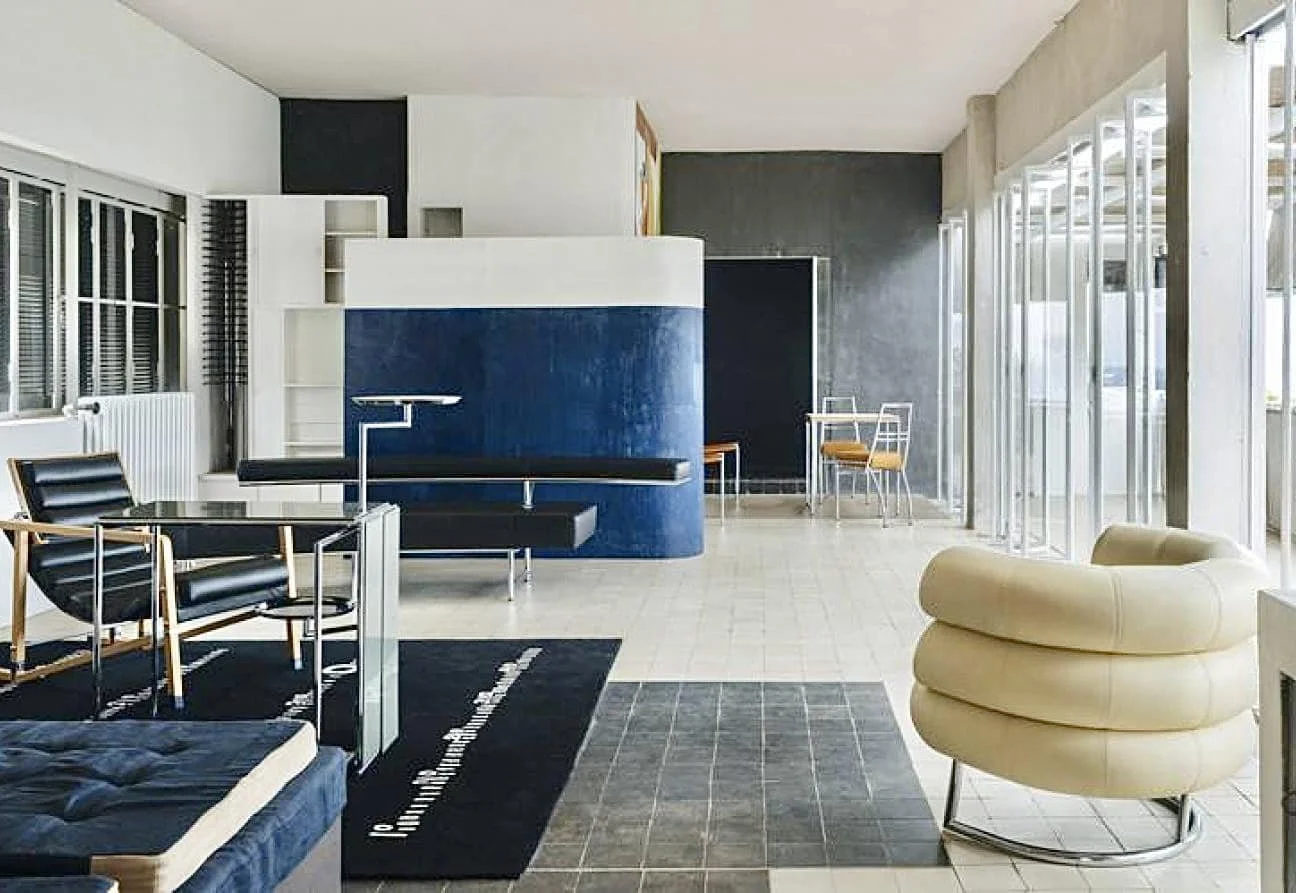
A modernist interior featuring Eileen Gray’siconic Bibendum Chair, surrounded by Bauhaus-inspired furniture and geometric accents. The space seamlessly blends sculptural forms, minimalist textures, and natural light, reflecting the timeless elegance of early modern design in a contemporary setting. Art Nouveau, Italian Liberty, Belle Epoque, Beaux Arts & Art Deco | LIVING SPACE INTERIOR of the Eileen Gray's Villa E-1027, built between 1926-1929, in Roquebrune-Cap-Martin, in the Alpes-Maritimes department of Franc... | Facebook
Contemporary Interior Design
Contemporary interiors are current, fluid and evolving:
softer lines, layered textures, sculptural lighting and warm minimalism.
Searches like contemporary interior designer Cambridgeshire or contemporary bathroom design London often lead clients toward this style.
Your work sits at the intersection of both:
modern principles, contemporary warmth.
You can explore examples of this approach in my [interior projects → /interiors].
This is also why I see Modernism less as a style to imitate and more as a way of thinking. In Disruption Within Control: Why the Most Memorable Interiors Break One Rule, I explore how proportion, restraint and clarity create enough order for one unexpected decision to give an interior its character.
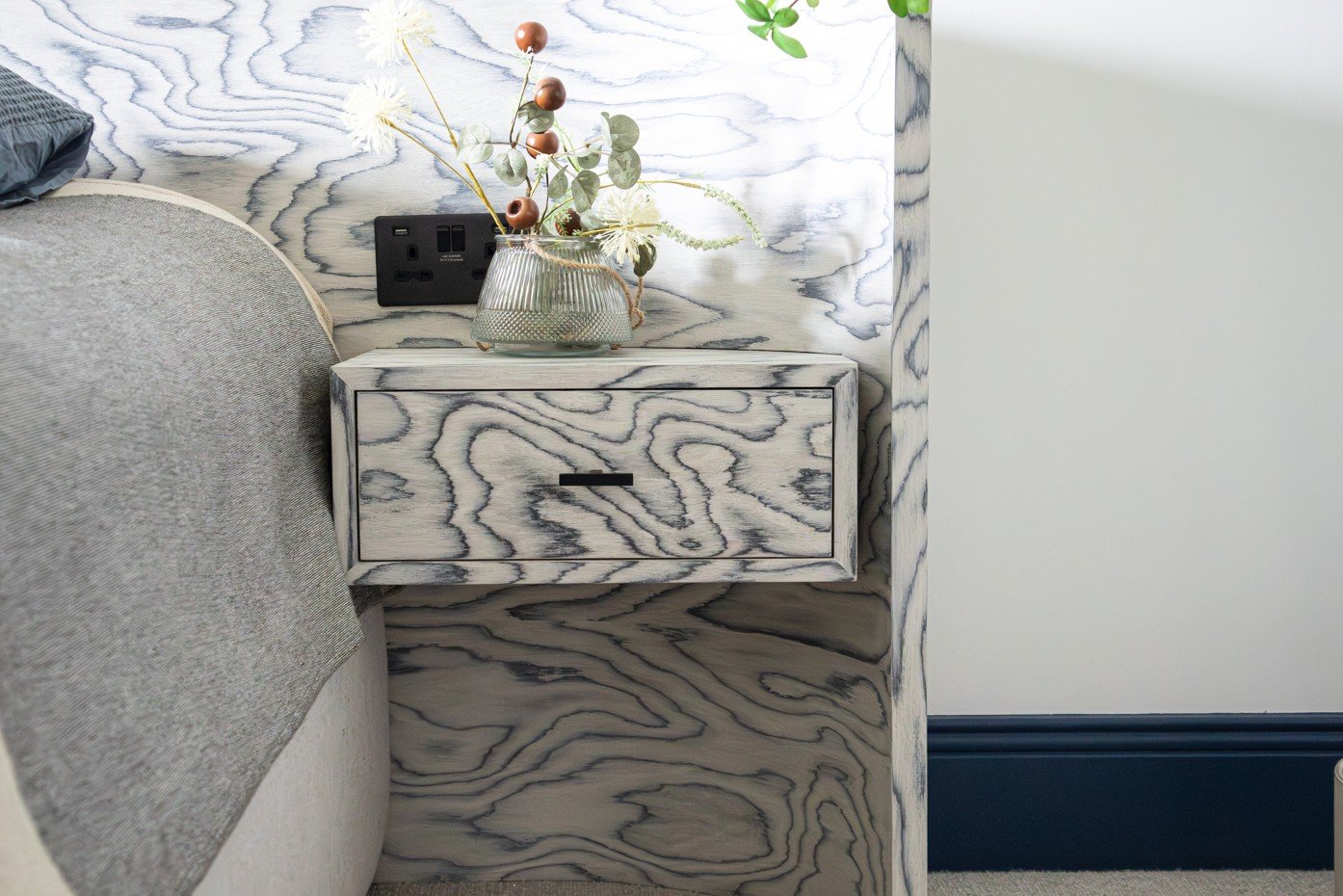
A contemporary detail from the Water Lane project in Cambridge, showing a bespoke curved headboard crafted in Sattasats wood veneer. The swirling grain, integrated floating bedside table and refined joinery express a warm, modern aesthetic rooted in material honesty and architectural craftsmanship.
3. The Role of Concept Design
Concept design is where the project’s identity is born.
It is the stage where you create:
visual direction
material palettes
lighting concepts
spatial logic
early joinery ideas
mood and proportion studies
This is where your concept boards come alive — the clearest expression of your architectural thinking.
Concept design ensures that every decision is intentional, coherent and aligned with the way you want to live.
You can see examples of concept boards in my [design process → /process].
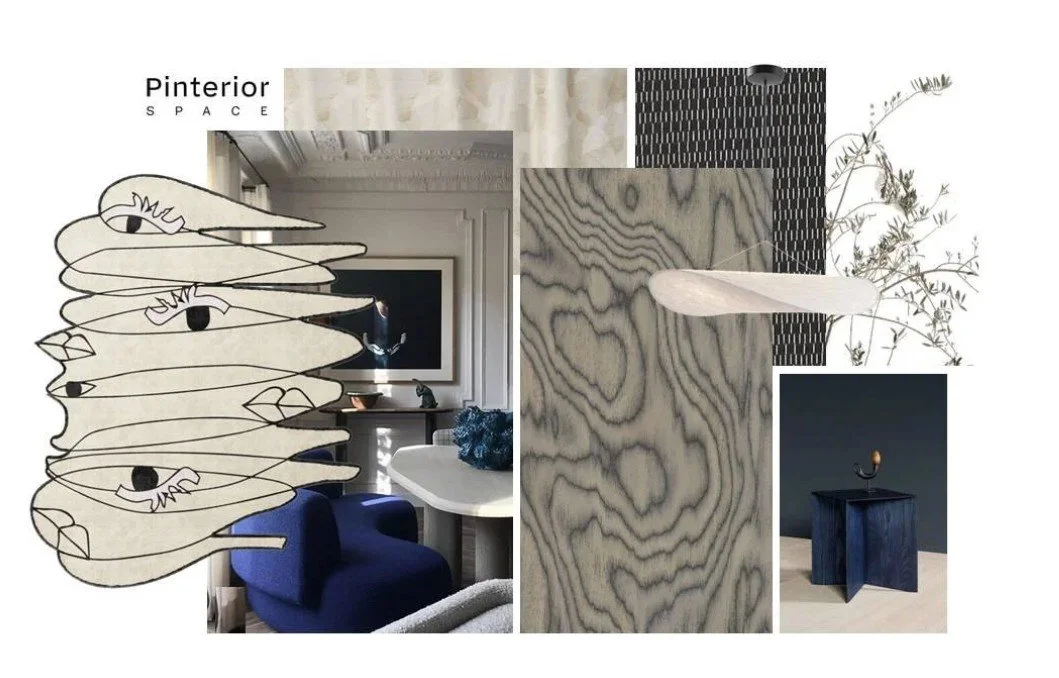
A contemporary/modern concept board created for a Cambridge office–living space. The composition blends wood veneer textures, soft grey tones, bold cobalt blue accents and sculptural furniture references. Layered materials, abstract artwork and curated objects set the visual direction for a refined yet expressive interior — balancing focus, comfort and architectural clarity.
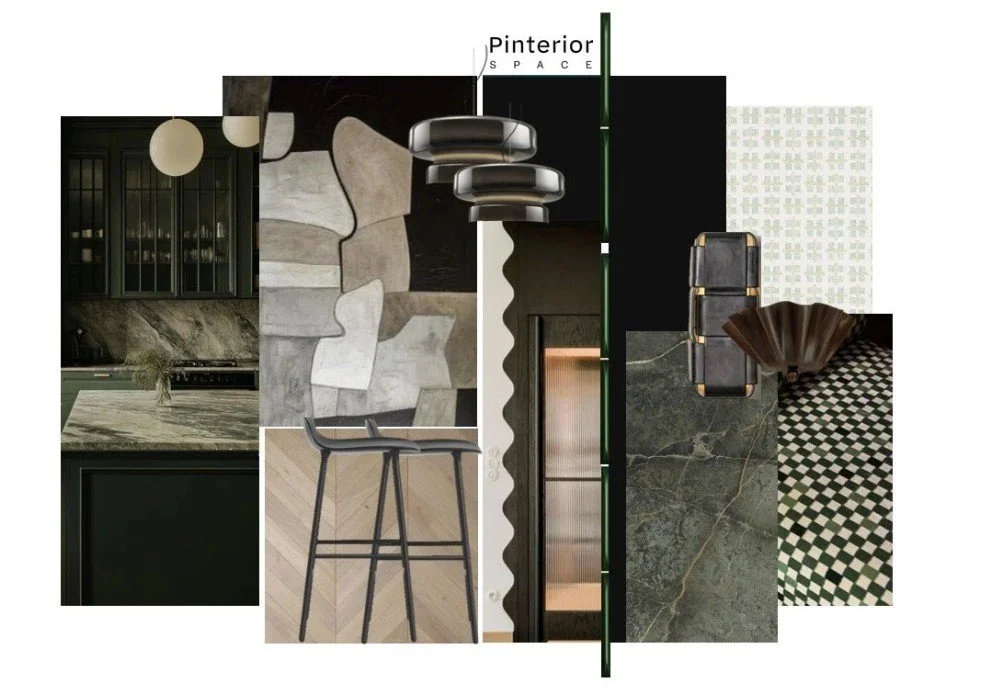
A moody contemporary masculine concept board created for a kitchen–dining space in Biggleswade/Sandy. The palette blends deep green cabinetry, sculptural lighting, ribbed glass, marble textures and geometric patterns. The composition sets the visual direction for a refined yet expressive interior — balancing quiet strength, material richness and modern architectural drama.
4. Kitchen and Bathroom Interior Design in Cambridge, Cambridgeshire and London
Kitchens and bathrooms are two of the most architectural rooms in any home — and two of the most transformative. They are also among the most significant investments a homeowner will make, which is why careful planning and thoughtful design are essential.
These spaces must work hard, feel effortless and remain timeless for many years. Unlike furniture or paint, kitchens and bathrooms are not updated annually. Their layout, materials and detailing need to be right from the beginning.
A well‑designed kitchen or bathroom balances:
• precise spatial planning
• functional flow
• durable, honest materials
• lighting that shapes mood and clarity
• proportion and alignment
• long‑term practicality
• a sense of personal identity
Every decision — from the placement of a tap to the grain direction of timber — contributes to how the space feels and performs.
Kitchen Interior Design
Many clients searching for a kitchen interior designer in Cambridge, a kitchen designer in London, or modern kitchen design in Cambridgeshire are looking for spaces that feel both functional and beautifully resolved.
My approach centres on proportion, material clarity, lighting as structure and architectural joinery — creating kitchens that feel calm, intentional and built to last.
Explore examples in my [kitchen projects → /interiors].
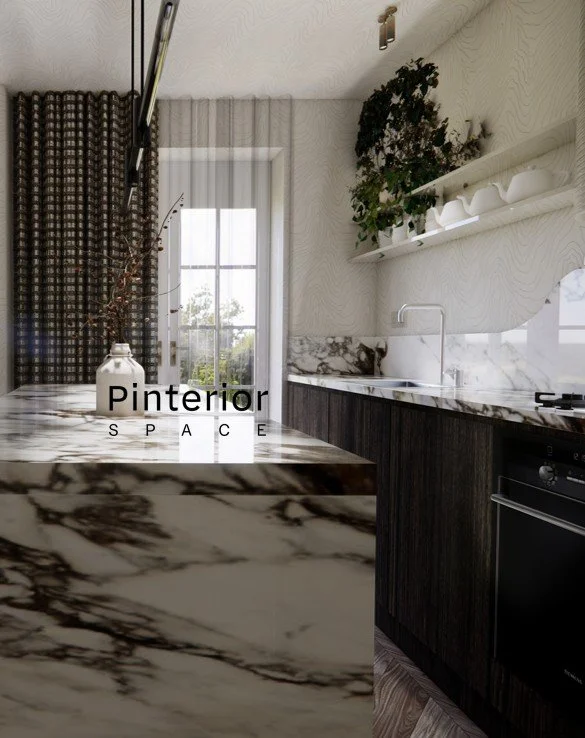
A contemporary kitchen designed for a home in Welwyn Garden City, featuring a dramatic marble island with expressive veining, dark timber cabinetry and open shelving. Soft natural light filters through sheer curtains, highlighting the warm material palette and sculptural detailing. The space balances luxury and practicality, creating a calm, modern environment for everyday living.
Bathroom Interior Design
Homeowners often look for a bathroom interior designer Cambridge, a bathroom designer London or contemporary bathroom design when they want a space that feels serene and thoughtfully composed.
Bathrooms demand the same level of architectural thinking as kitchens: durable materials, precise detailing, and a layout that supports daily rituals. My recent London bathroom project is a clear example of this — geometric logic, sculptural lighting and material harmony working together to create a calm, architectural space.
You can view this project in my [interior portfolio → /interiors].
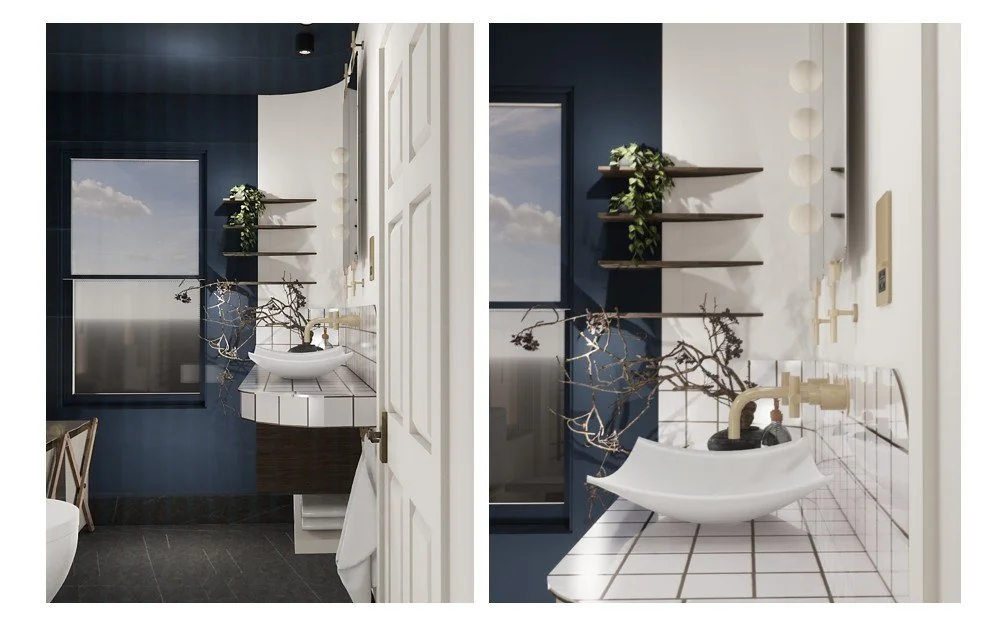
A contemporary bathroom detail from a new project in London, featuring a sculptural white sink, deep blue wall, brass tapware and floating timber shelves. Square white tiles with dark grout create a graphic contrast, while natural light and a simple branch arrangement add softness. The composition blends modern materials, clean geometry and warm accents to create a calm, expressive bathroom interior.
5. Architectural Interiors: Where Design and Architecture Meet
Architectural interiors are not decorated; they are composed.
They rely on:
proportion
alignment
material honesty
structural clarity
light as a design partner
A room becomes architectural when every element participates in a larger spatial logic.
Nothing is arbitrary.
Everything is intentional.
This is the approach that defines my work as a Cambridge interior designer and as a local interior designer for clients across Cambridgeshire and London.
You can explore this philosophy in practice through my [interior projects → /interiors].
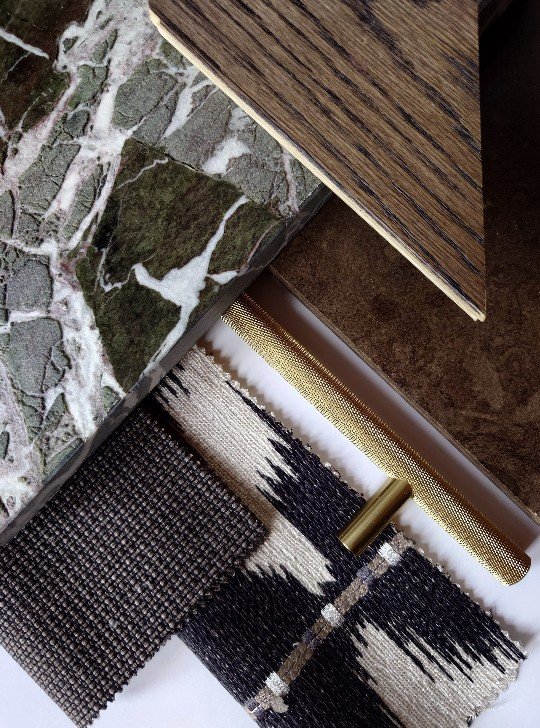
A curated sample board presenting the material palette for the project, featuring stone, wood veneer, textiles and metal accents. The sample board composition highlights the clarity of each material and the cohesive relationship between textures, tones and finishes — the kind of harmony that can only be understood when materials are brought together physically on a sample board.
6. How to Choose an Interior Designer
Look for a designer who offers:
architectural thinking, not decoration
clarity of process
concept design capability
proportion‑driven layouts
lighting strategy
experience with kitchens and bathrooms
local knowledge of Cambridge, Cambridgeshire and London
Choosing the right designer is choosing the right way of living.
If you’d like to discuss your project, you can reach me through my [contact page → /contact].
7. Interior Design Costs in the UK
Costs vary depending on:
scope
complexity
level of architectural involvement
number of rooms
joinery requirements
kitchen and bathroom design
project support
A transparent conversation at the start ensures clarity and trust.
You can learn more about how I work on my [services page → /services].
8. Case Studies: Cambridge, Cambridgeshire and London
My projects speak for themselves. Each case study reinforces my approach to architectural interiors and shows how proportion, materiality and light come together in real homes.
Explore recent work:
• New Build on Water Lane, Cambridge — A calm, proportion‑driven interior shaped by natural light and quiet materiality.
(Link to my Water Lane transformation article)
• West Road, Gamlingay — A study in architectural clarity, alignment and modern South Cambridshire living.
(Link to your West Road, Gamlingay article)
• Shelford, Cambridge Project — A poetic transformation in the heart of South Cambridgeshire
( Link to my Shelford, Cambridge project articale)
9. FAQs
What is the difference between modern and contemporary interior design
Modern is rooted in history; contemporary is current and evolving.
Do interior designers work with architects
Yes — especially when the project requires structural clarity.
What is concept design in interiors?
The stage where the project’s identity, palette and spatial logic are defined.
Do you design kitchens and bathrooms
Yes — these are two of the most architectural rooms in any home.
Do you work in Cambridge and London
Yes — I work across Cambridge, Cambridgeshire and London.
Every project begins with a conversation — about proportion, light, materials and the way you want to live.
If you’re ready to shape a home with clarity and intention, I’d be delighted to help.
If you’re exploring how to bring this kind of clarity, proportion, and modern design philosophy into your own home — whether you’re in Cambridge, Cambridgeshire, the surrounding shire villages, London, Letchworth, Hitchin, St Neots, or nearby — I’d love to help you shape a space that feels calm, intentional, and deeply supportive
Discover what I offer on my [Services page →],
or reach out via my [Contact page →] to begin your project.
Continue Your Journey
Modern and contemporary interiors are shaped by thoughtful design decisions rather than trends alone. Continue exploring these articles to discover the principles, materials and design approaches that create calm, enduring homes.
Read Next
Modern vs Contemporary Interior Design Explained
Understand the key differences between modern and contemporary design and discover why both continue to influence today's interiors.
Japanese Interior Design Ideas for Calm Contemporary Homes
Explore how Japanese design principles create spaces that feel balanced, peaceful and connected to everyday living.
Scandinavian and Nordic Interior Design Ideas for Cambridge Homes
Discover how Scandinavian design combines natural materials, simplicity and functionality to create timeless contemporary interiors.
Return to the Chapter
Interior Design Styles & Ideas
Explore more articles about interior design styles, aesthetic approaches and the principles that shape calm, contemporary homes.