
How to Plan Storage in a Modern Home: A Designer’s Method for Calm, Functional Spaces
Storage is often treated as a secondary consideration, yet it plays a fundamental role in how a home functions and feels. In modern interiors, where simplicity and clarity are key, poorly planned storage quickly leads to visual and practical clutter. In this guide, I explain how to approach storage as part of the overall design, based on residential projects across Cambridge and London.
Why “quiet architecture” is the secret to a calm, contemporary home in Cambridge
Storage is one of the biggest search terms in interiors — and for good reason.
People aren’t looking for “storage hacks.” They’re looking for clarity, order, and a home that feels calm rather than crowded.
As a modern interior designer in Cambridge, I see the same pattern again and again: homeowners feel overwhelmed not because they own too much, but because their home has no underlying structure. No quiet architecture. No system.
This guide shows how a local interior designer approaches storage planning — not as an afterthought, but as the invisible framework that makes a home feel effortless.
It’s written for Cambridge, Cambridgeshire villages, and London homeowners searching for “interior designer near me” or “storage planning Cambridge” and wanting a designer‑led, contemporary approach.
Why Storage Matters More Than Style
A home can be beautifully decorated, but without the right storage, it will never feel calm.
Storage is the hidden architecture of a modern home — the quiet structure that supports everything else:
It reduces visual noise
It creates flow
It protects the things you love
It makes daily life easier
It allows rooms to breathe
When storage is planned well, the home feels serene. When it’s not, the home feels chaotic, no matter how much you tidy.
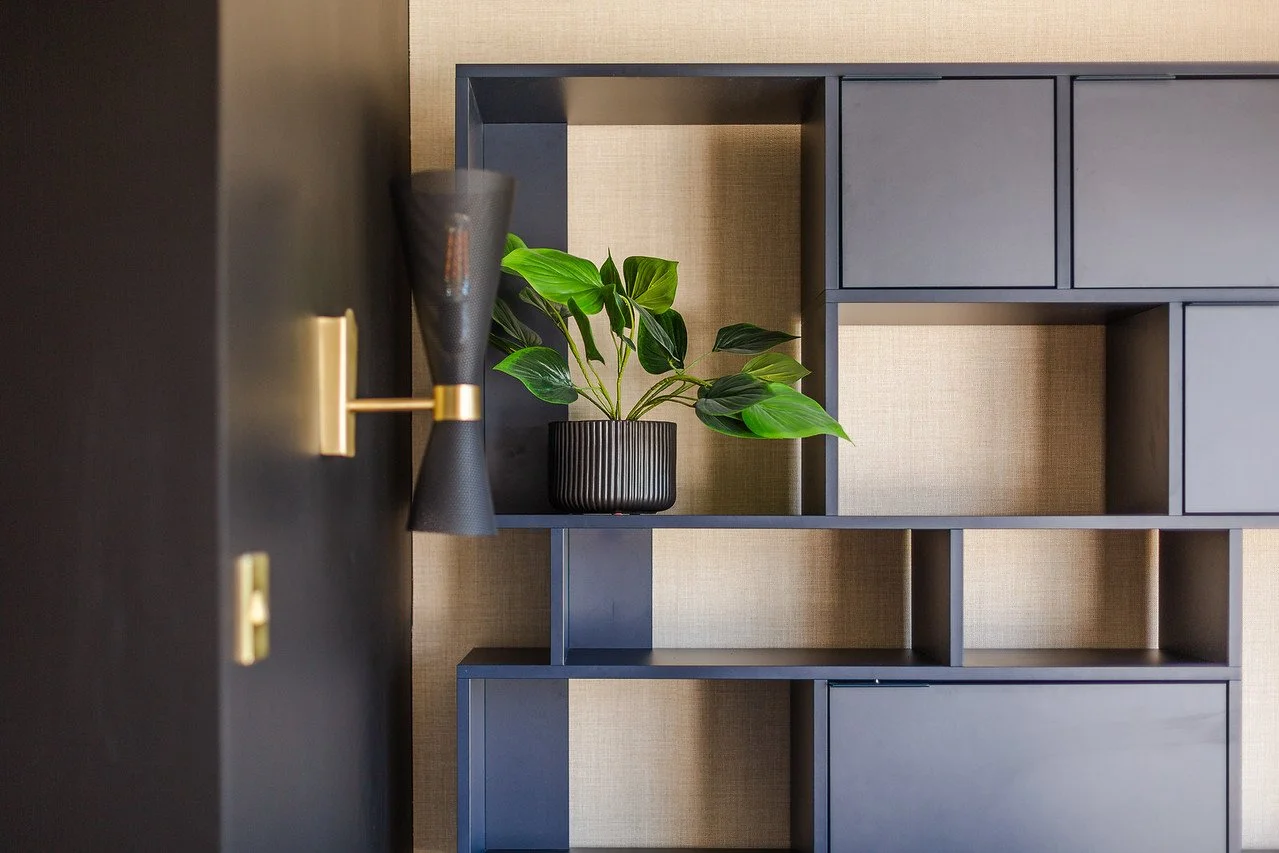
This Gamlingay home office corner shows how thoughtful storage transforms a small space into something calm and beautifully functional. The dark blue Tylko shelving system is made‑to‑measure, fitting the wall perfectly and providing open storage for books, plants and work essentials. Its modular design brings structure without heaviness, while the warm wall light adds softness and depth. The combination of clean lines, natural textures and tailored proportions demonstrates how modern storage solutions can elevate compact home offices across Cambridge, Cambridgeshire villages and beyond.
The Designer’s Method: A Four‑Part Storage Framework
This is the system I use across Cambridge, Cambridgeshire villages, and London projects — from compact terraces to large family homes.
1. Volume: How much do you actually need to store?
Before designing anything, we calculate volume.
Not items — volume.
This includes:
Seasonal items
Everyday essentials
Oversized objects
Hidden clutter categories (paperwork, cables, kids’ things)
Designers think in litres, metres, and cubic capacity.
This prevents the classic mistake: building storage that looks beautiful but doesn’t actually fit your life.
2. Frequency: How often do you use each item?
This is where most DIY storage fails.
We map items into three categories:
Daily (must be accessible)
Weekly (should be easy to reach)
Occasional (can be higher, deeper, or tucked away)
This is how a contemporary interior designer ensures the home feels intuitive — everything is exactly where your hand naturally goes.
3. Visibility: What should be seen, and what should disappear?
Not everything should be on display.
Not everything should be hidden.
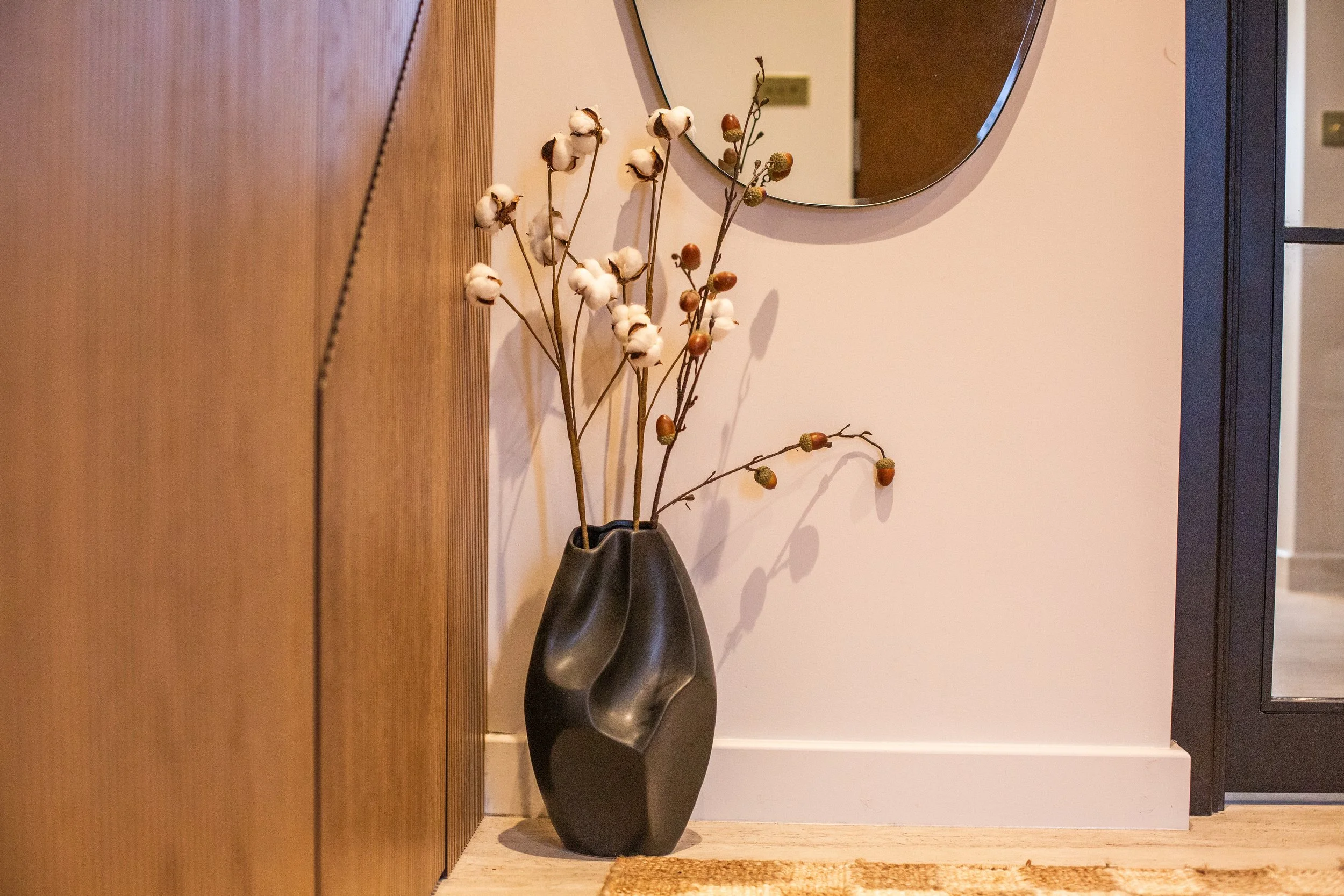
This image illustrates how the area beneath a staircase can become elegant, functional hidden storage. The clean white wall conceals built‑in cupboards, while a sculptural black vase with cotton branches softens the architecture and creates a calm moment in the space. A rounded mirror reflects light and adds depth, and the timber paneling hints at the joinery beyond. It’s a refined example of how under‑stair zones — often overlooked in Cambridge and Cambridgeshire homes — can be transformed into discreet, beautifully integrated storage that supports a modern, uncluttered interior.
We decide:
What deserves to be visible (books, ceramics, art)
What needs to be concealed (appliances, paperwork, toys)
What benefits from partial visibility (open shelves + closed cupboards)
This is where your aesthetic emerges — the balance between openness and calm.
4. Ergonomics: How does your body move through the space?
Storage must work with your natural movement.
We consider:
Reach height
Door swing
Traffic flow
Weight of items
Accessibility for children or older adults
This is the difference between “storage” and designed storage.
Room‑by‑Room Storage Strategy
Kitchen
The kitchen is the most storage‑intensive room in the home.
This is where bespoke joinery shines.
Deep drawers for pots and pans
Pull‑out larders
Hidden recycling systems
Appliance garages
Slimline spice pull‑outs
Kitchen Interior Design Cambridge
https://pinterior.space/kitchen-interior-design-cambridge
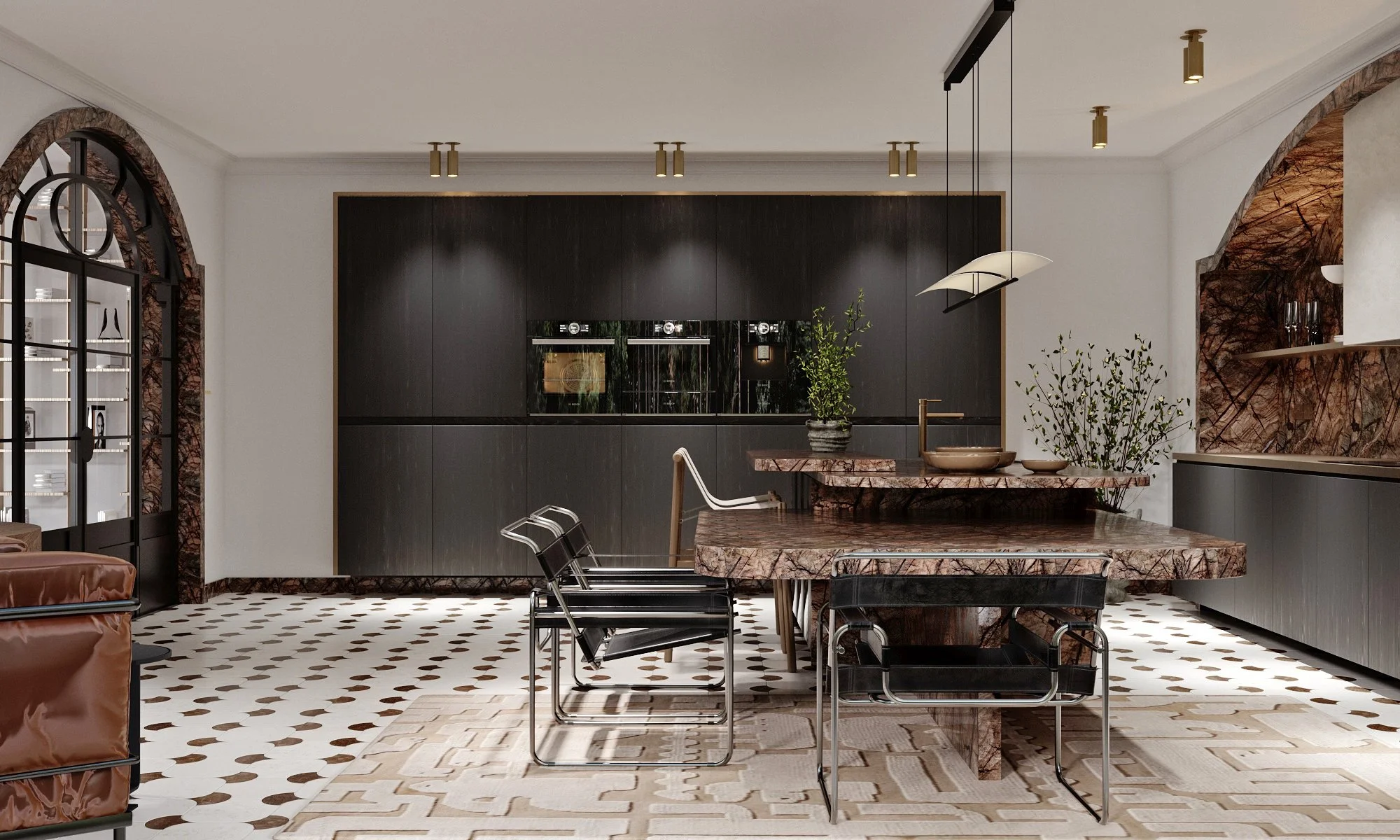
This kitchen illustrates how open and closed storage can work together to create a calm, contemporary space. The dark wood cabinetry provides generous concealed storage for everyday essentials, while the open shelving and marble surfaces offer space for display and easy access. Integrated appliances keep the lines clean, and the sculptural dining area reinforces the sense of quiet luxury. It’s a strong example of how thoughtful storage planning — combining visibility and concealment — can elevate kitchens in Cambridge, Cambridgeshire villages and modern London homes.
Hallway
Hallways in Cambridge and Cambridgeshire villages are often narrow and awkward — but they’re the key to a calm home.
Slimline shoe storage
Wall‑mounted shelves
Built‑in benches
Concealed coat cupboards
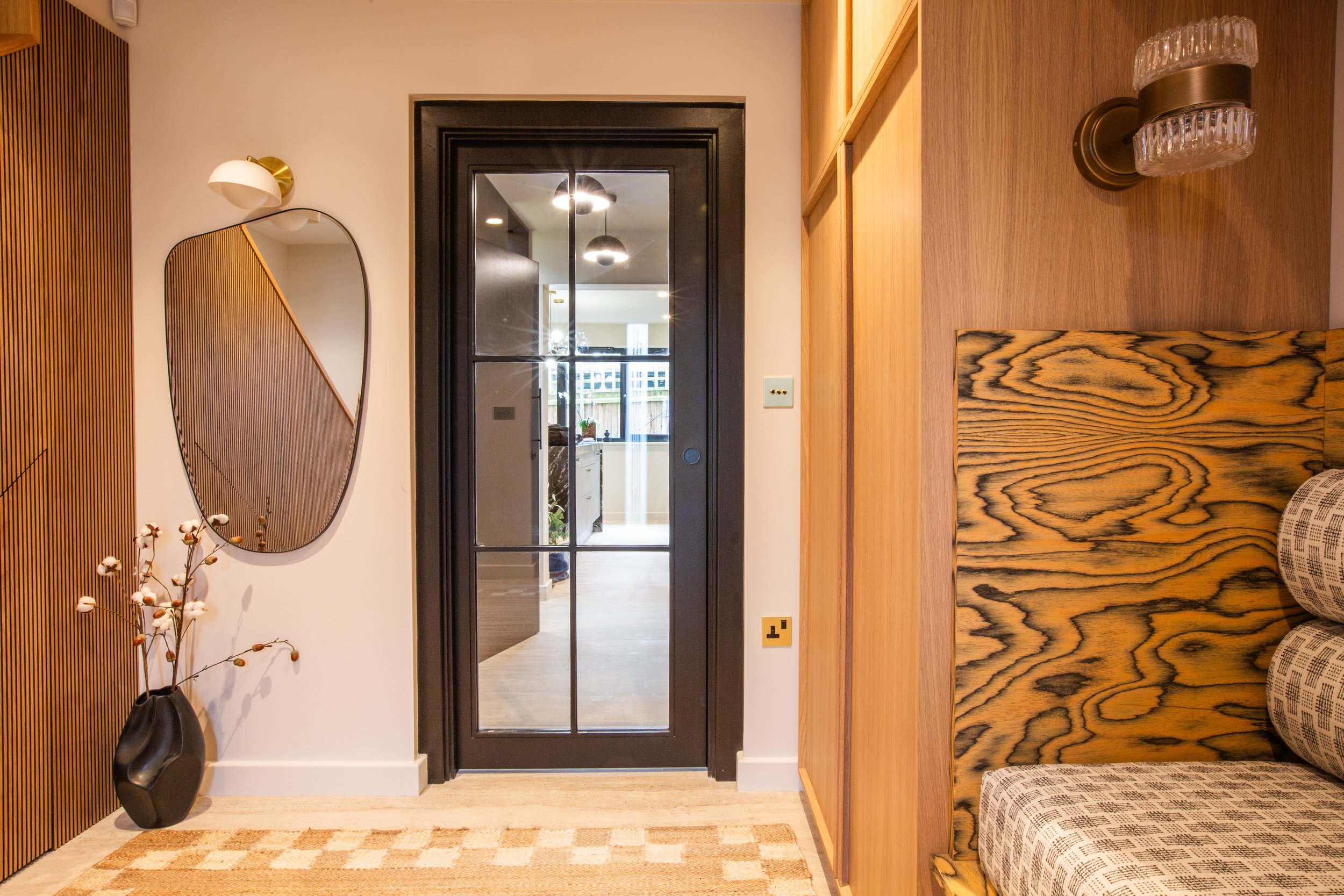
This Shelford hallway shows how made‑to‑measure joinery can transform a circulation space into something calm and beautifully functional. The full‑height storage is concealed behind a flush door, creating a seamless wall that hides coats, shoes and everyday essentials without adding visual weight. The clean lines and tailored proportions make the entrance feel spacious and modern, demonstrating how bespoke storage solutions can elevate hallways in Cambridge, the surrounding villages and contemporary family homes.
Bedroom
Bedrooms need storage that supports rest, not clutter.
Full‑height wardrobes
Under‑bed drawers
Wall‑mounted bedside tables
Integrated lighting
Bedroom Interior Design Cambridge.
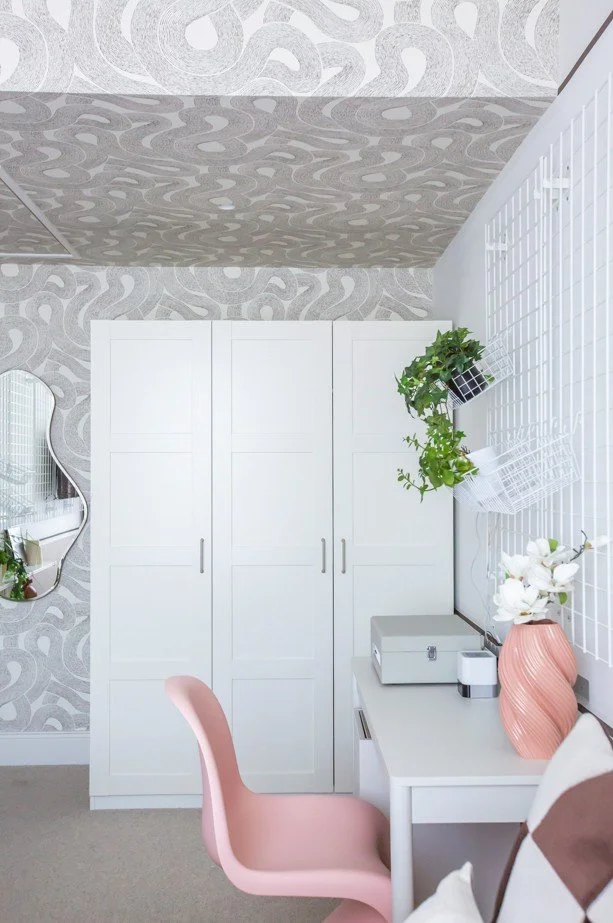
This bedroom from the Water Lane project in Cambridge shows how a freestanding storage solution can feel tailored and intentional in a compact space. The full‑height white wardrobe provides generous closed storage without overwhelming the room, while the small desk and shelving grid create a functional workspace within the same footprint. Soft colours, gentle pattern and minimal styling keep the room calm and contemporary, demonstrating how thoughtful freestanding furniture can offer clarity and order in smaller Cambridge and Cambridgeshire homes.
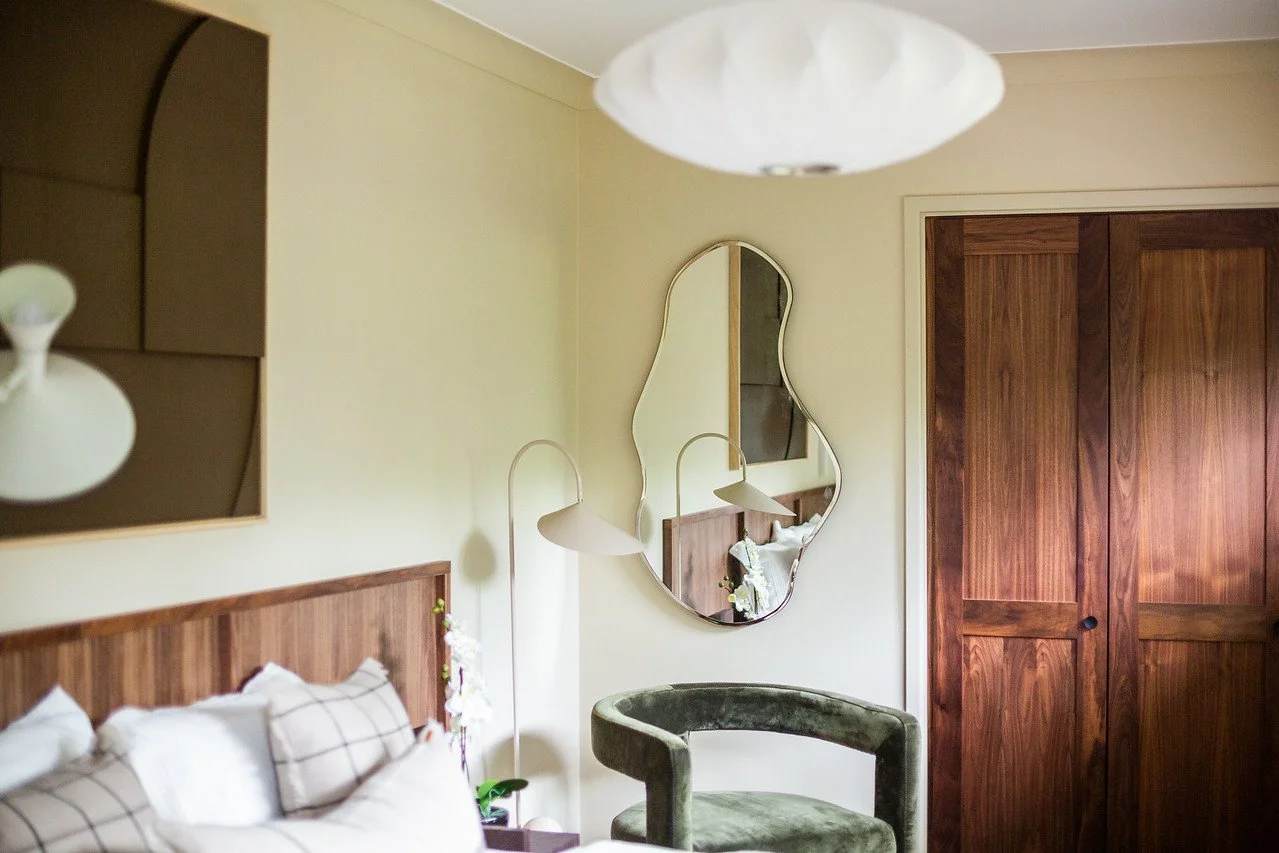
This guest bedroom from the Gamlingay renovation project shows how a built‑in wardrobe can create a calm, tailored storage solution that feels fully integrated with the architecture. The full‑height wooden doors provide generous concealed storage while keeping the room visually quiet, contrasting beautifully with the freestanding approach used in the Water Lane project. Sculptural wall lights, a soft upholstered headboard and a contemporary mirror complete the space, demonstrating how different storage strategies — built‑in or freestanding — can be equally effective depending on the needs of the room and the rhythm of the home.
Living Room
This is where visibility vs. concealment matters most.
Media walls
Alcove joinery
Low‑level storage
Display shelves for books and ceramics
Living Room Interior Design Cambridge
https://pinterior.space/living-room-interior-design-cambridge
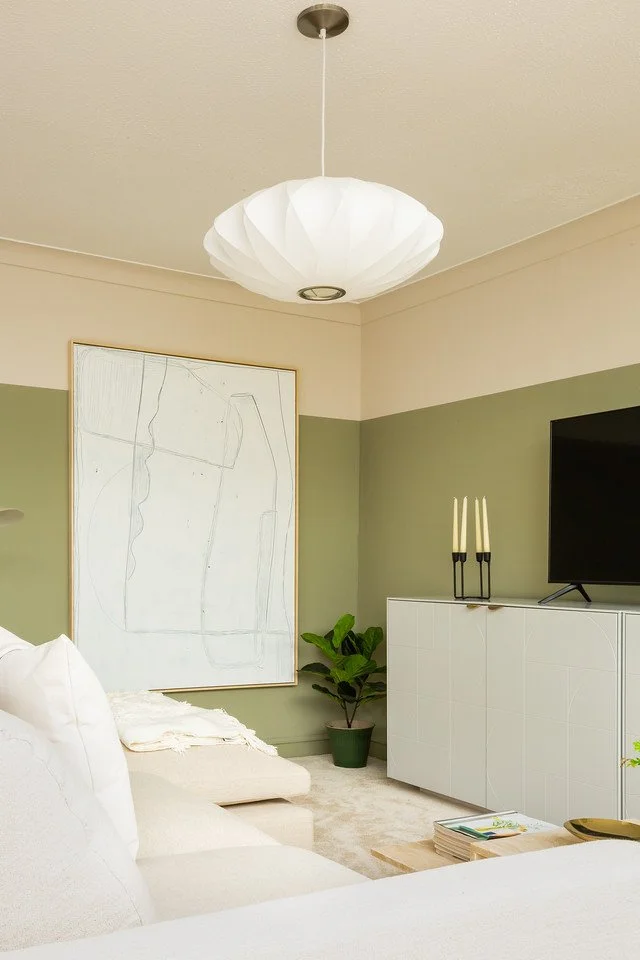
This living room from the Gamlingay renovation project shows how closed, freestanding storage can bring clarity and calm to a modern home. The sculptural white cabinet provides generous concealed storage without feeling heavy, allowing the room to stay visually open and serene. Soft neutrals, layered textures and contemporary artwork create a gentle, inviting atmosphere, while the clean lines of the furniture keep the space organised and uncluttered. It’s a strong example of how freestanding storage can work beautifully alongside built‑in solutions, depending on the needs and rhythm of the room.
The Cambridge Advantage: Bespoke Joinery
Cambridge homes — from Victorian terraces to new‑builds — benefit enormously from bespoke joinery.
It solves awkward layouts, maximises every centimetre, and creates a calm, contemporary aesthetic.
As a local interior designer, I design joinery that:
Fits the architecture
Matches your lifestyle
Uses every millimetre
Feels like it has always belonged
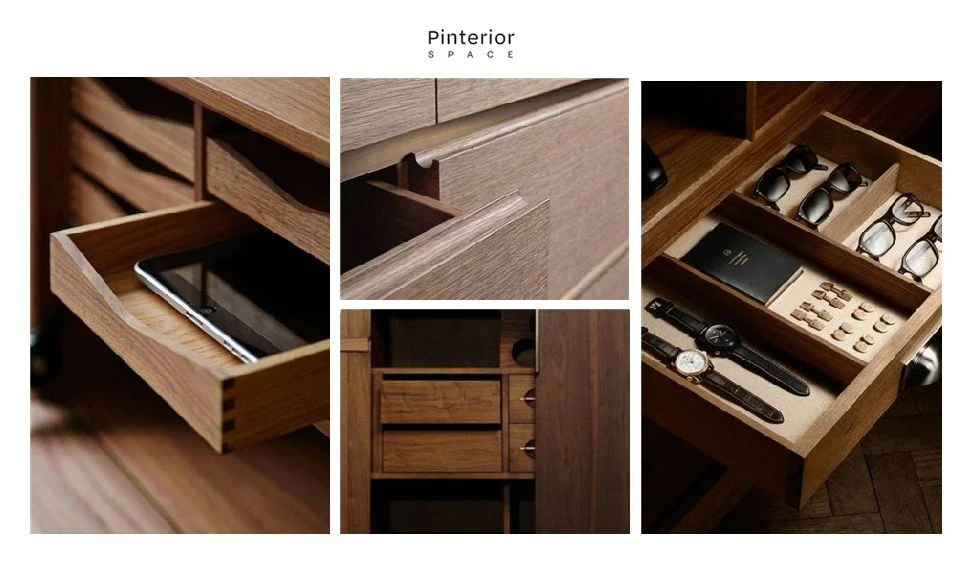
This collage highlights the beauty and precision of bespoke joinery, showcasing close‑up details of wooden drawers, internal compartments and refined craftsmanship. Although not created by Pinterior Space, the images illustrate the level of quality, organisation and material clarity that well‑designed storage can bring to a home. From smooth drawer runners to carefully divided compartments, each detail demonstrates how thoughtful joinery elevates everyday living — an approach that informs the storage planning and design ethos used across Cambridge and the surrounding villages.
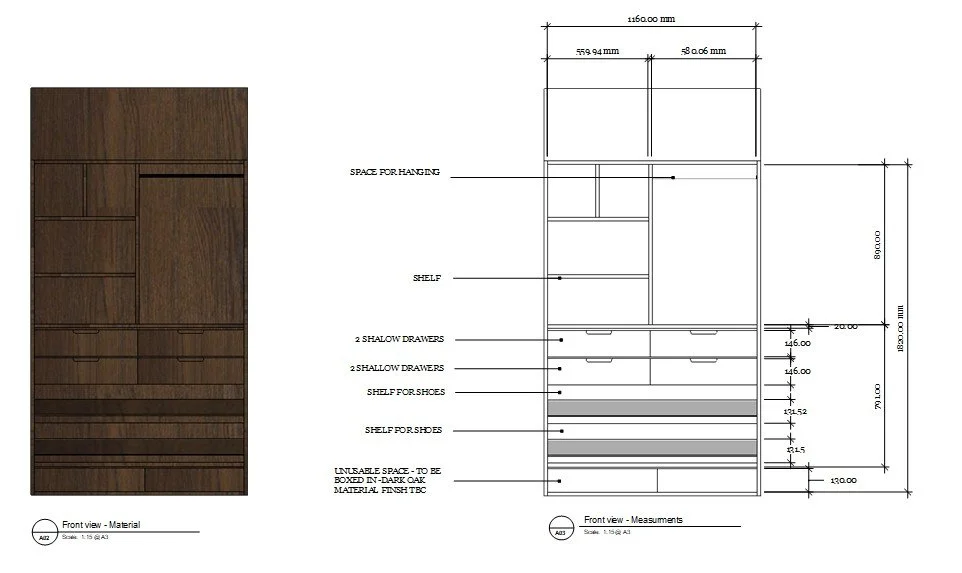
This drawing illustrates a fully bespoke, made‑to‑measure wardrobe designed for a Cambridgeshire project. The elevation shows a carefully planned internal layout, including dedicated hanging space, adjustable shelves, shallow drawers and shoe compartments — all proportioned to maximise every millimetre of available space. The material rendering highlights the dark oak finish, while the measured drawing reveals the precision behind the joinery. It’s a clear example of how tailored storage can be designed around the exact needs of the homeowner, creating a calm, functional and beautifully structured bedroom environment.
If you’re planning a renovation and feel unsure what to do next, you can explore my renovation consultation here → Interior Design Consultation for Renovations | Project Strategy Audit UK
Helpful Internal Links
Interior Design Cambridge
https://pinterior.space/interior-design-cambridge
Final Thought
Storage isn’t about hiding things.
It’s about creating a home that feels calm, intentional, and beautifully aligned with your life.
Continue Your Journey
If you're interested in creating a home that feels calm, personal and thoughtfully designed, continue exploring these related articles or return to the chapter to discover more.
Read Next
Why Creative Thinking Has Become The Ultimate Luxury
Discover why thoughtful design begins with ideas, imagination and creativity rather than simply following trends.
Why Interior Design Is A Service, Not A Product
Explore why great interior design is built around understanding people, solving problems and creating homes that genuinely support the way they live.
The Invisible Value of Design
Discover why the most valuable part of interior design is often the thinking, experience and professional judgement that nobody sees.
Return to the Chapter
Design Philosophy & Inspiration
Explore more articles about contemporary living, timeless interiors and the ideas that shape homes designed around people, wellbeing and everyday life.