
Planning A Family Home Renovation In Hertfordshire
Planning a family home renovation involves far more than selecting finishes or deciding where walls should be removed. Whether you're updating a Victorian property in St Albans, extending a family home in Harpenden, renovating a house in Cambridge or reconfiguring a property elsewhere across Hertfordshire, Cambridgeshire or London, the most successful projects begin with understanding how a home needs to support everyday life. Thoughtful design helps homeowners make confident decisions, create a clear vision for the future and ensure that every part of the renovation works together as a whole.
Family homes are constantly evolving.
Children grow.
Routines change.
Working from home becomes part of daily life.
Spaces that once worked perfectly can begin to feel restrictive.
For many homeowners, renovation becomes an opportunity to create a home that better supports the way they live today while preparing for the years ahead.
Yet successful family renovations rarely begin with floor plans, finishes, or furniture.
They begin with understanding.
Understanding how the home functions today.
Understanding what is no longer working.
And understanding what the family needs from the home in the future.
The most successful renovations are not simply about creating more space.
They are about creating the right space.
Understanding How Your Family Lives
Before plans are drawn or layouts are explored, it is important to understand how the home functions on an everyday level.
Many homeowners begin a renovation believing they need a larger kitchen, an extension or an open-plan layout. While these solutions can be valuable, they do not always address the real challenges within a home.
“Often, the issue is not a lack of space but how that space is being used.”
A dining room may sit empty for most of the year while the kitchen feels overcrowded. A spare room may become a makeshift office that no longer supports modern family life. Storage may be scattered throughout the home, creating daily frustration and visual clutter.
Taking the time to understand routines, habits and priorities allows renovation decisions to be guided by how a family truly lives rather than by assumptions about what a home should look like.
This early understanding creates the foundation for a renovation that feels considered, practical and uniquely tailored to the people who live there.
More Space Does Not Always Mean Better Space
One of the most common goals in family home renovations is creating more space.
Larger kitchens.
Bigger extensions.
Open-plan layouts. ➡️ Why Every Home Does Not Need An Open-Plan Layout (our future article)
Additional rooms.
While additional space can undoubtedly improve how a home functions, it is not always the solution homeowners need.
In many properties, particularly period homes found throughout Hertfordshire, Cambridge and the surrounding areas, the challenge is often not the amount of space available but how effectively that space is organised.
A poorly planned extension can simply create a larger version of the same problem.
Likewise, removing walls without fully understanding how the home is used can sometimes reduce privacy, increase noise and create new challenges that were never anticipated at the outset.
The most successful family homes are rarely defined by their size alone.
They are defined by how well each space supports the people living within it.
Before deciding how much additional space is required, it is often worth asking a simpler question: ➡️ Clarity Audit
Could the existing space work better?
Every Decision Influences The Next
One of the challenges of family home renovations is that very few decisions exist in isolation.
What begins as a simple desire to improve one area of the home often reveals wider opportunities and challenges elsewhere.
A homeowner may decide to renovate the kitchen, only to discover that the dining space no longer functions as well as it once did.
A new extension may improve one part of the property while highlighting limitations in another.
Improving the layout of a ground floor may naturally lead to reconsidering storage, lighting, circulation or how adjoining spaces connect together.
This is why the planning stage is so important.
The most successful renovations consider the home as a whole rather than focusing on individual spaces in isolation.
A decision made in one room will often influence how another room functions, feels or connects to the wider property.
Sometimes addressing a single challenge can reveal another opportunity that had previously gone unnoticed. Equally, making changes without considering the bigger picture can unintentionally create new problems elsewhere.
When renovation decisions are guided by a clear vision for the entire home, it becomes easier to create spaces that feel cohesive, balanced and capable of supporting family life both now and in the future.
Creating A Home That Works Together
The most successful family homes are rarely experienced one room at a time.
They are experienced as a sequence of connected spaces.
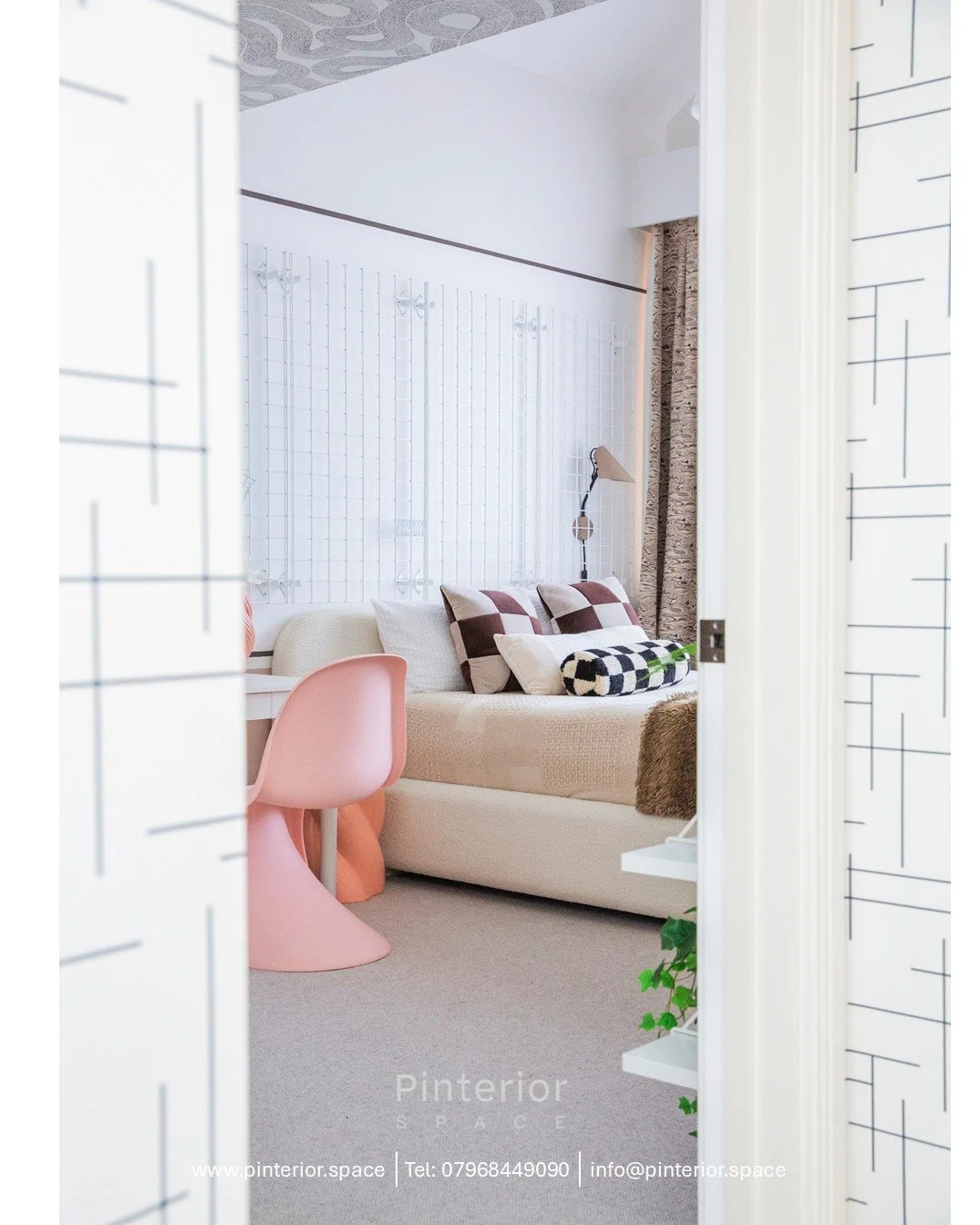
A glimpse through a doorway.
The transition from one room to another.
The way natural light moves through the home during different times of the day.
The relationship between materials, textures and architectural details.
While each room may serve a different purpose, the home should still feel cohesive as a whole.
This does not mean every space needs to look the same.
In fact, some of the most interesting homes allow individual rooms to have their own character while still belonging to the same family.
➡️ Why Every Home Does Not Need An Open-Plan Layout ( our future artical)
The connection often comes from thoughtful planning, carefully considered materials and a clear design vision that guides the project from beginning to end.
When these relationships are considered early in the design process, the result is often a home that feels calm, balanced and effortless to live in.
Planning For The Future, Not Just Today
Family homes are constantly evolving.
What works for a family today may feel completely different in five or ten years' time.
Children grow older.
Working patterns change.
New routines emerge.
The way a home is used continues to adapt throughout different stages of life.
For that reason, successful renovations are rarely focused solely on solving immediate challenges.
They also consider how the home may need to support future needs.
This does not mean trying to predict every possible change.
Rather, it means creating spaces that offer flexibility, adaptability and longevity.
A well-considered layout can continue to function as family life evolves.
Thoughtful storage can support changing needs over time.
Carefully selected materials can provide both durability and lasting appeal.
When renovation decisions are guided by both present and future needs, the result is often a home that remains functional, comfortable and relevant for many years to come.
Continue Planning Your Renovation
Planning a family renovation is about more than creating additional space. Continue exploring these practical renovation guides to help you make confident decisions and create a home that supports everyday family life.
Read Next
When Should You Hire an Interior Designer During a Home Renovation?
Discover why involving an interior designer early can improve layouts, avoid costly changes and create a more successful renovation.
Why Every Home Does Not Need An Open-Plan Layout
Discover why successful family homes are designed around the way you live, rather than following trends.
Why Your Home Feels Disconnected (And It's Not Just The Furniture)
Learn how thoughtful space planning creates homes with better flow, stronger connections between spaces and more enjoyable everyday living.
Return to the Chapter
Planning a Renovation
Explore more practical guides to help you prepare for a successful home renovation, from early planning and design decisions to creating homes that support the way you live.