
When Should You Hire An Interior Designer For A Home Renovation?
Thoughtful design begins before the first wall is built.
Many homeowners assume interior design happens towards the end of a renovation project. Once planning has been approved, construction has started, and the major decisions have been made, they begin thinking about finishes, furniture and colour schemes.
In reality, some of the most important design decisions happen much earlier.
Long before construction begins, designers often explore layouts, test ideas, develop concept boards, and solve problems that may never be visible in the finished home. This early thinking helps create clarity, avoid costly mistakes and establish a stronger direction for the project.
If you'd like to understand more about the work that happens before a design is built, you may also enjoy reading The Invisible Value of Design.
Whether you're renovating a Victorian home in St Albans, extending a family property in Cambridge, or reimagining a contemporary house in London, the most successful projects are often those in which interior design becomes part of the conversation from the very beginning.
Not because an interior designer should lead every decision, but because every specialist brings a different perspective to the project.
At its core, interior design is about understanding how people live and creating spaces that support those lives. It is about helping homeowners make confident decisions, creating a clear vision for the future and ensuring that a home functions as beautifully as it looks.
Explore Related Guides
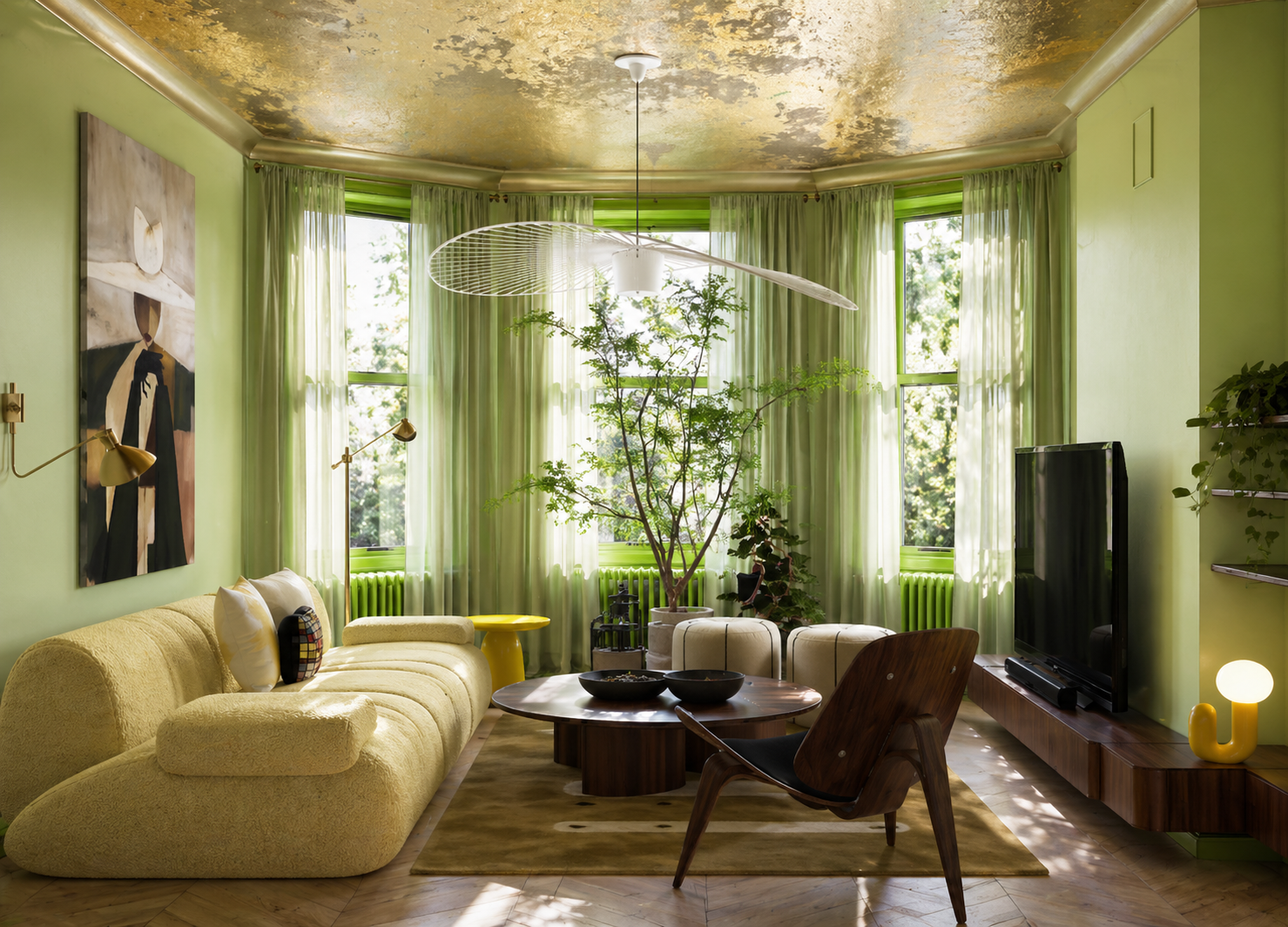
"Designing For The People Who Live There"
Why Many Homeowners Wait Too Long
One of the most common misconceptions about interior design is that it focuses solely on aesthetics.
As a result, many homeowners wait until layouts have been approved, structural decisions have been made and construction is underway before involving an interior designer.
By this stage, the opportunity to influence some of the most important aspects of the home may already have passed.
A floor plan can look excellent on paper and still fail to support everyday life.
Storage may be overlooked. Furniture layouts may feel restrictive. Rooms may be larger but not necessarily more functional. Circulation routes may create frustration rather than ease. Natural light may not be experienced in the way it could have been.
These are not design flaws. They are simply the result of decisions being made without every perspective being represented in the conversation.
The earlier those conversations happen, the greater the opportunity to create a home that feels cohesive, practical and considered.
The Best Time To Involve An Interior Designer
In our experience, one of the most valuable stages to involve an interior designer is while layouts are still being developed and key decisions are being explored.
This is the point where ideas remain flexible, and opportunities can still be identified before they become costly or difficult to change.
Over the years, we have worked on projects where layouts had already been approved before interior design discussions began. In several cases, it quickly became clear that certain aspects of the proposed arrangement did not fully support the way the homeowners wanted to live.
Questions around furniture placement, storage, lighting, flow between spaces, materiality, and day-to-day functionality had not yet been fully considered.
This does not mean another professional has made a mistake.
Rather, it highlights the value of collaboration.
An architect, interior designer, contractor and homeowner each bring different knowledge, priorities and expertise to the process. The strongest projects emerge when those perspectives come together early enough to influence important decisions.
This collaborative approach helps homeowners develop a clear design direction and make confident decisions before construction begins, ensuring every aspect of the project works towards a shared vision.
Great Renovations Begin With Collaboration
One of the biggest misconceptions about home renovation is that great design comes from a single person.
In reality, the most successful projects result from collaboration among multiple specialists, each contributing a distinct perspective and area of expertise.
Architects, interior designers, contractors, engineers and specialist suppliers all play an important role in shaping the outcome.
An architect understands buildings, structures, planning requirements and spatial organisation. An interior designer brings a different perspective, focusing on how people experience those spaces every day. Considerations such as flow, functionality, storage, furniture layouts, lighting, materiality and daily routines all influence whether a home looks good on paper or genuinely works in practice.
The goal is not for one professional to replace another. It is about bringing the right expertise into the conversation at the right time.
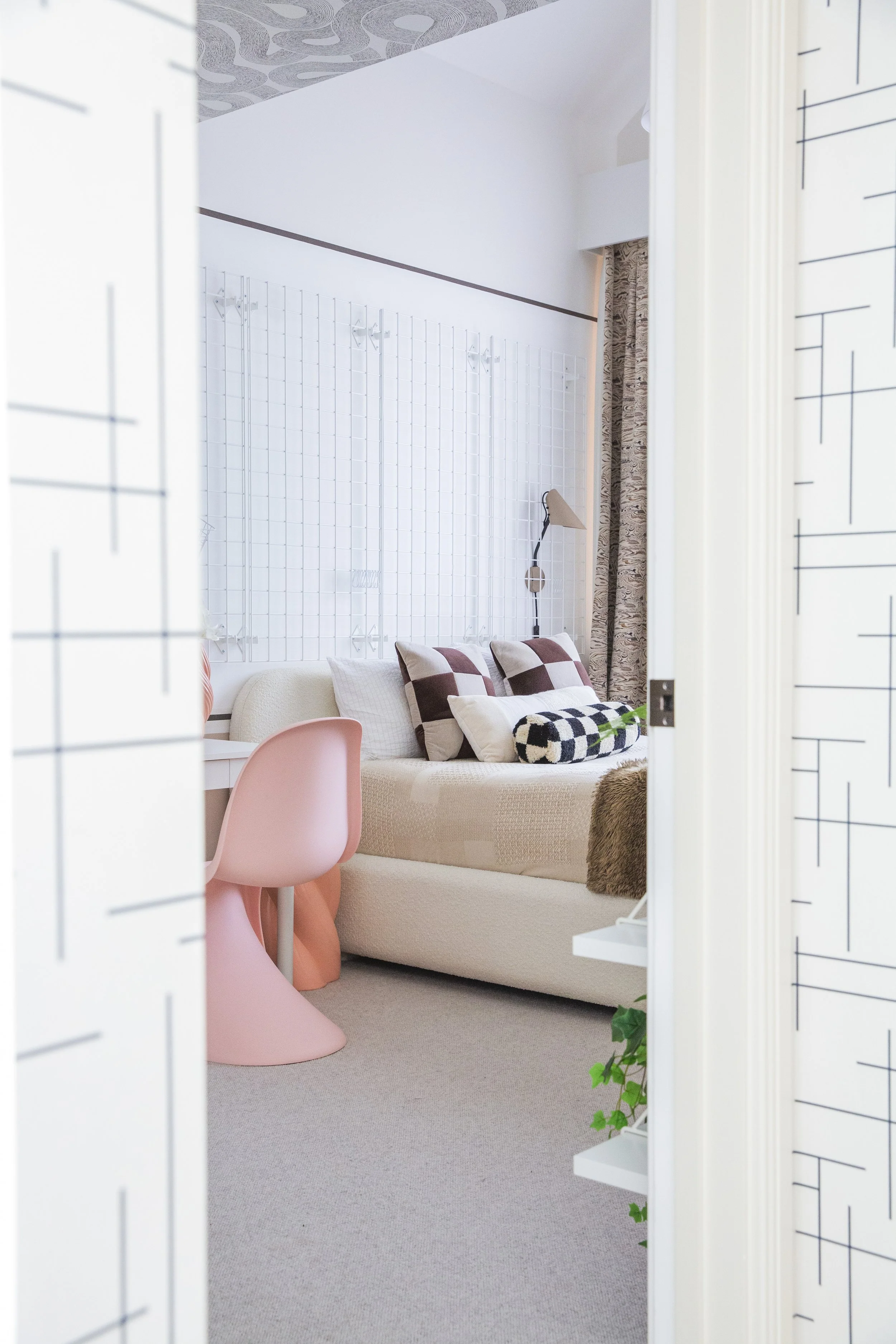
When architects and interior designers collaborate during the development of a layout, important opportunities often emerge. Discussions around practicality, lifestyle requirements, furniture layouts and long-term usability can help shape decisions before they become difficult or costly to change.
This collaborative approach helps homeowners develop a clear design direction and make confident decisions before construction begins, ensuring every aspect of the project works towards a shared vision.
Ultimately, every homeowner lives differently. A family with young children will use a home differently to a retired couple. Someone who loves entertaining will have different priorities from someone who works from home several days a week.
The most successful renovations recognise these differences and create spaces that support the way people actually live rather than expecting people to adapt to the space.
The result is often a home that feels more connected, more intuitive and more aligned with the people who live there.
Designing For The People Who Live There
Perhaps the most important role of an interior designer is helping homeowners make decisions with confidence.
Every renovation involves hundreds of choices. Layouts, materials, lighting, joinery, finishes, furniture and countless small details all contribute to the final outcome.
Making those decisions can feel overwhelming, particularly when many of them will influence how a home functions for years to come.
The challenge is not simply creating a beautiful space.
The challenge is creating a home that feels right for the people who live there.
As designers, it can be tempting to focus on aesthetics, trends or personal preferences. However, the most successful projects are rarely those that reflect the designer's taste alone.
They are the projects that reflect the lives, priorities and aspirations of the homeowner.
Every family lives differently.
Some households gather around the kitchen from morning until night. Others prioritise entertaining, working from home or creating quiet spaces to retreat and recharge. A solution that works perfectly for one family may be entirely unsuitable for another.
For this reason, interior design is not about imposing a particular style. It is about understanding people and helping them make decisions they genuinely connect with and want to live with for years to come.
One principle we always return to is simple: we are not designing the home for ourselves.
We are designing it for the people who will live there every day.
Every decision made during a renovation becomes part of everyday life. They influence how a family gathers, how a morning routine unfolds, how people work, relax, entertain and recharge.
For that reason, our role is not to impose personal preferences or create a home that reflects the designer alone. It is to help homeowners make decisions they genuinely connect with and will continue to enjoy living with long after the project is complete.
For us, interior design has always been about people rather than products.
Read: Why Interior Design Is A Service, Not A Product → ( future article is coming)
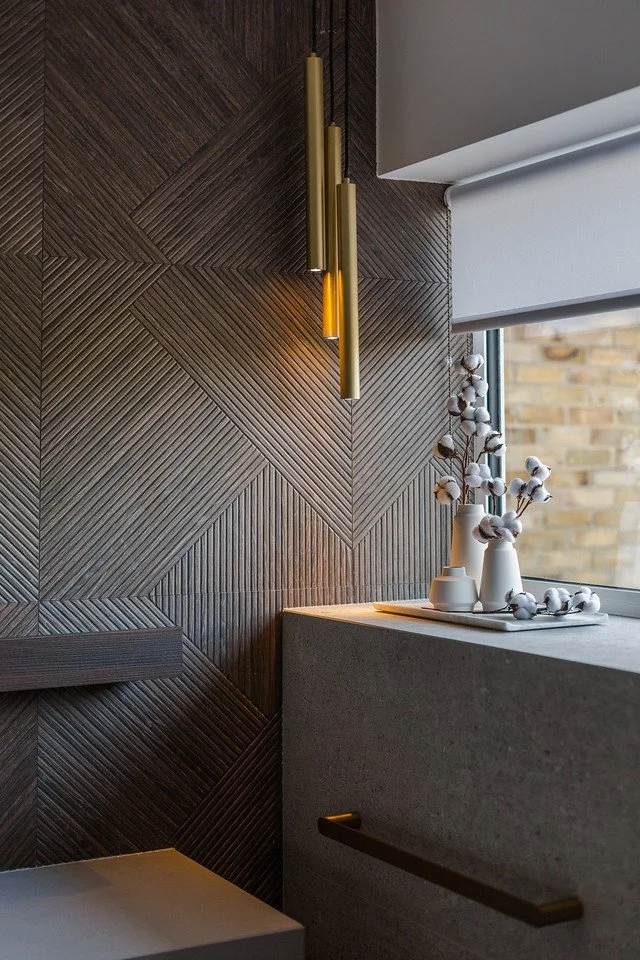
Every Home Has Different Constraints
While every homeowner dreams of creating their ideal home, every project comes with its own opportunities and limitations.
A new-build property offers a different level of flexibility compared to an existing period home. Victorian houses, Edwardian properties and family homes often come with structural constraints that require thoughtful consideration and creative problem-solving.
→ Renovating A Victorian Home in St Albans (future article)
Not every renovation can achieve a perfect outcome in every area.
Sometimes there are planning restrictions. Sometimes structural limitations exist. Sometimes budget considerations influence the scope of what is possible.
Good design is not about chasing perfection.
It is about understanding the realities of a project and creating the best possible solution within those parameters.
Every home presents a unique set of challenges. The role of an interior designer is not to ignore those constraints but to work with them, identifying opportunities, balancing priorities and helping homeowners make informed decisions along the way.
In many cases, the most successful solutions are not the most dramatic. They are the ones that quietly improve how a home functions, feels and supports everyday life.
The most successful renovations balance aspiration with practicality, ensuring every decision contributes positively to the overall experience of living in the home.
Creating Calm, Contemporary Homes
At Pinterior, we believe thoughtful design begins long before construction starts.
Our work focuses on helping homeowners create calm, contemporary interiors that support modern living while respecting the character of each property.
Through strategic space planning, carefully considered material selections and a collaborative design process, we help homeowners navigate complex renovation decisions with clarity and confidence.
Whether we're working on a period property renovation in St Albans, a family home transformation in Cambridge or a contemporary interior design project in London, our goal remains the same.
To create homes that feel beautiful, practical and deeply personal to the people who live there.
Because great design is not about creating a home that looks impressive for a moment.
It is about creating a home that continues to work beautifully for years to come.
Every decision contributes to how a home feels and functions daily. The layout, materials, lighting and details should support the people who live there, not simply follow trends or short-lived design fashions.
The most successful homes are often the ones that feel effortless to live in. Spaces that support everyday routines, adapt to changing lifestyles and continue to bring enjoyment long after the renovation has been completed.
Frequently Asked Questions
Is it worth hiring an interior designer before building work starts?
Yes. Involving an interior designer during the planning and layout stages allows important decisions around functionality, storage, lighting and flow to be considered before construction begins. Establishing a clear design direction early often leads to a smoother renovation process and helps homeowners make confident decisions throughout the project.
Do I need an interior designer if I already have an architect?
Architects and interior designers bring different expertise to a project. While an architect focuses on the building, structure and spatial organisation, an interior designer considers how people will experience and use those spaces every day. The strongest renovations often emerge when both disciplines collaborate throughout the design process.
Can an interior designer help with a home extension?
Absolutely. An extension should feel like a natural continuation of the home rather than an addition that feels disconnected. An interior designer helps ensure that new and existing spaces work together seamlessly while supporting the way homeowners want to live.
What if my layout has already been approved?
An interior designer can still add significant value. However, involving design expertise earlier in the process often creates more opportunities to influence how a home functions and feels.
Can interior design improve an existing home without major structural changes?
Yes. Thoughtful space planning, lighting design, storage solutions, material selections and furniture layouts can dramatically improve how a home functions and feels without extensive building work. In many cases, small design decisions can have a significant impact on everyday living.
Planning A Home Renovation?
If you're planning a renovation, extension or refurbishment in St Albans, Cambridge, London or the surrounding areas, we'd be delighted to discuss your project.
Continue Your Journey
Planning a renovation involves many important decisions. Continue exploring our renovation guides to help you make informed choices before work begins.
Read Next
Why Every Home Does Not Need An Open-Plan Layout
Discover why successful layouts are designed around the way you live, not simply around open-plan trends.
Why Your Home Feels Disconnected (And It's Not Just The Furniture)
Learn why a home can feel disconnected and how thoughtful space planning creates better flow and everyday functionality.
The Hidden Cost of Poor Space Planning in Interior Design
Explore how early planning decisions can influence the success of your renovation long before construction begins.
Return to the Chapter
Planning a Renovation
Explore more practical guidance to help you prepare for a successful home renovation, from early planning and professional advice to creating a home that works beautifully for everyday living.