
Interior Design Styles Explained for Contemporary Homes
Interior design styles help shape the atmosphere, functionality, and emotional experience of a home through materials, colour palettes, textures, and spatial design. From contemporary and modern interiors to Scandinavian, Nordic, Japanese, and tribal influences, each style brings a distinct approach to contemporary living while helping homes feel more balanced, personal, and connected to everyday life.
Explore Related Design Guides
How to Mix Scandinavian, Nordic and Japanese Interior Design Styles
Japandi Interior Design Ideas for Calm Contemporary Living
Scandinavian and Nordic Interior Design Ideas for Cambridge Homes
Japanese Interior Design Ideas for Contemporary Homes
Modern vs Contemporary Interior Design Explained
When we speak about interior design styles, we’re not just categorising aesthetics — we’re mapping emotional landscapes. Each style carries its own rhythm, symbolism, and cultural resonance. Here’s a short guide to six influential styles, with colour directions that bring them into focus.
Contemporary Interior Design
Summary: Contemporary design is fluid, ever‑evolving, and rooted in the present moment. It embraces clean lines, open spaces, and a balance of comfort with sophistication.
Colour Direction: A palette of soft neutrals — warm greys, taupe, and off‑white — punctuated with bold accents like charcoal, deep teal, or terracotta. Metallic finishes (brushed brass, matte black) add a refined edge.
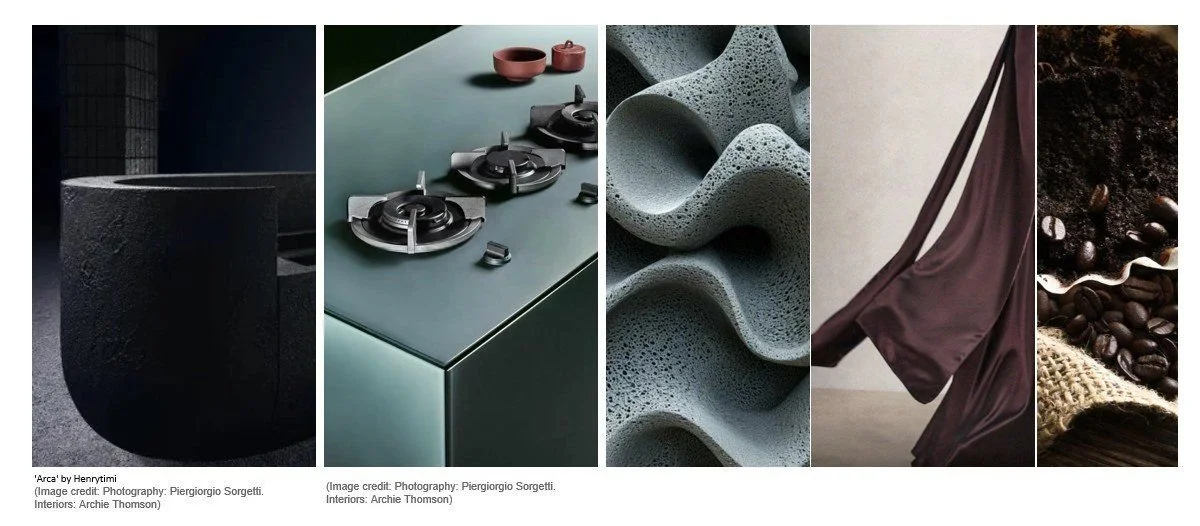
Contemporary Summary 2026 colour and finish trend. https://uk.pinterest.com/pavlina0441/articals/. A collage of images showing a curated collage of materials and finishes that reflect the 2026 interior design trends. The palette blends contemporary neutrals with warm, earthy tones, alongside tactile surfaces such as natural stone, soft textiles, and refined wood finishes. The composition captures the direction of contemporary design in 2026 — calm, grounded, and quietly luxurious, with an emphasis on simplicity, craftsmanship, and sensory comfort.
Modern Interior Design style
Summary: Modern design refers to a specific movement of the early‑to‑mid 20th century. Think Bauhaus clarity, functional furniture, and a devotion to form following function.
Colour Direction: Crisp whites, primary colours (red, blue, yellow), and strong contrasts with black. Natural woods (walnut, oak) and chrome or glass surfaces reinforce the mid‑century modernist ethos.

Modern style Interior space - Natural woods ( walnut, oak) and chrome/glass. https://uk.pinterest.com/pavlina0441/articals/. A Pinterest image illustrating modern interior design, characterised by clean lines, functional furniture, and a restrained, geometric aesthetic. The space reflects the principles of early‑to‑mid 20th‑century modernism — simplicity, clarity, and a commitment to form following function. Materials such as wood, metal, and leather appear in honest, unembellished forms, echoing the influence of Bauhaus and other modernist movements that shaped the foundations of contemporary design.
Nordic Interior Design Style
Summary: Nordic style is warm minimalism. It celebrates pale woods, natural textures, and a sense of light that reflects the long winters of Northern Europe.
Colour Direction: Light, airy tones — soft whites, pale greys, and muted pastels. Blonde woods like birch and ash, paired with wool and linen textures, create warmth within restraint.
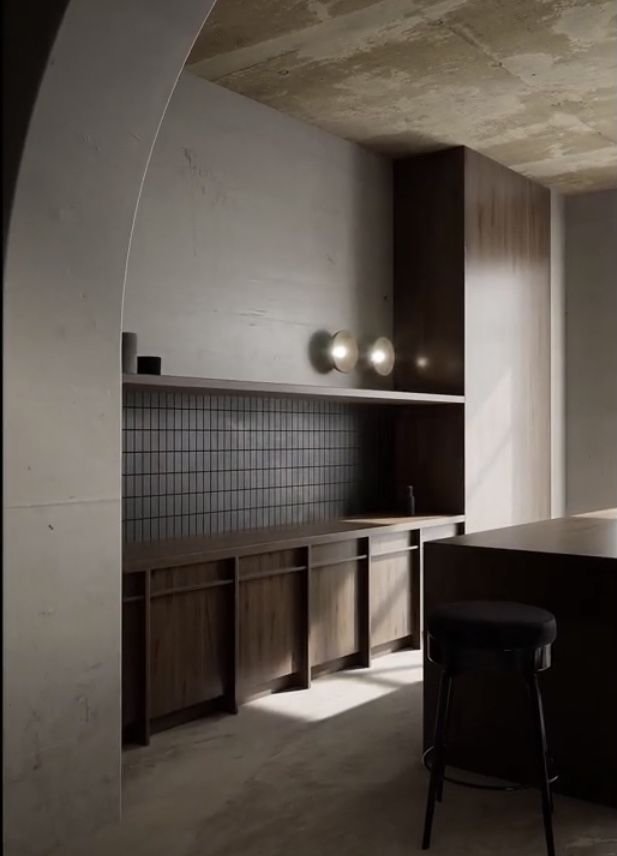
Nordic Interior design style. https://uk.pinterest.com/pavlina0441/nordic/. An image showing a minimal Nordic kitchen with dark wood base units and beautifully tactile wall finishes. Two sculptural wall lights cast a soft, warm glow across the surfaces, highlighting the natural textures and crafted simplicity of the space. The palette is restrained and earthy, reflecting the Nordic approach to warm minimalism — calm, functional, and deeply sensory. The overall mood is quiet, refined, and grounded in natural materials
Scandinavian Interior Design Style
Summary: Often used interchangeably with Nordic, but Scandinavian leans more toward functionality and democratic design. It’s about accessible beauty, practical layouts, and harmony with nature.
Colour Direction: White and light neutrals as a base, layered with natural greens, earthy browns, and occasional pops of cobalt or mustard. Pine and beech woods, paired with ceramics and greenery, keep the palette grounded.
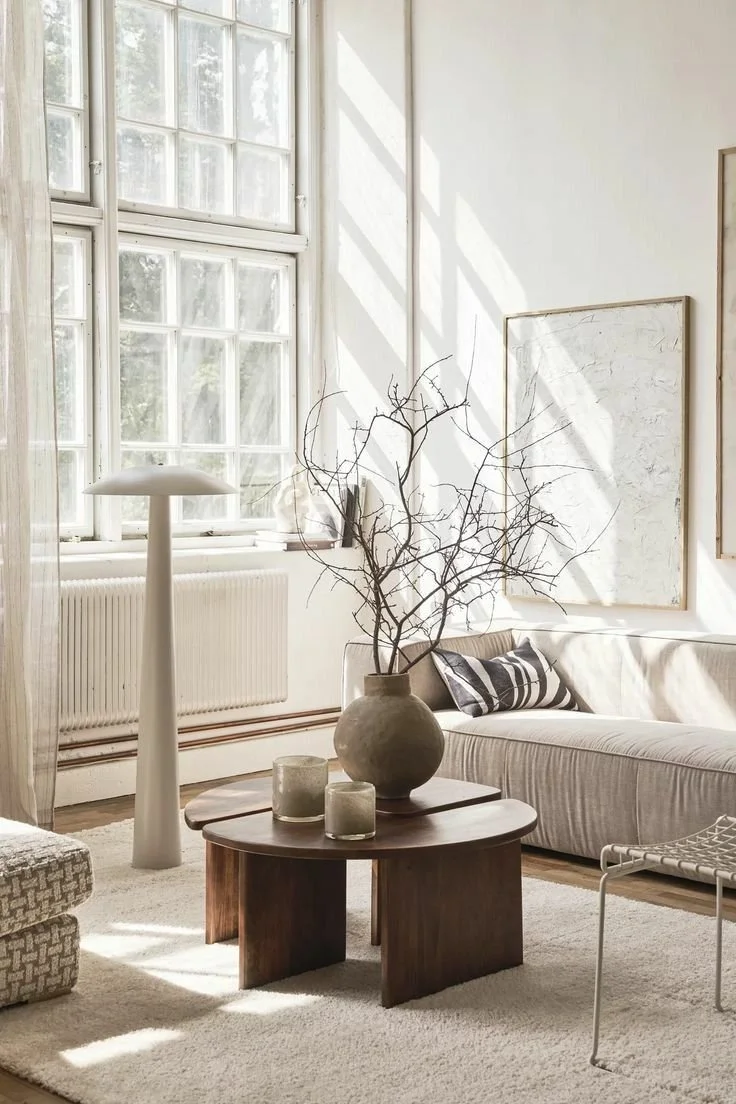
Scandinavian Interior Design style. An image showing a Scandinavian‑style living room, bright and airy with abundant natural light washing across the walls and creating soft, gentle shadows. The space features natural materials, light finishes, and a simple vase holding a single twig, adding a touch of organic movement. The overall mood is calm, functional, and harmonious — a clear expression of Scandinavian design’s focus on accessible beauty, practical layouts, and a deep connection to nature.https://uk.pinterest.com/pavlina0441/scandinavian/
Japanese Interior Design Style
Summary: Rooted in Zen philosophy, Japanese interiors are about balance, restraint, and reverence for natural materials. The concept of ma (negative space) is central.
Colour Direction: Natural, subdued tones — warm beige, soft browns, muted greens, and black accents. Tatami straw, cedar, and stone textures anchor the palette, with occasional red or indigo for symbolic depth.
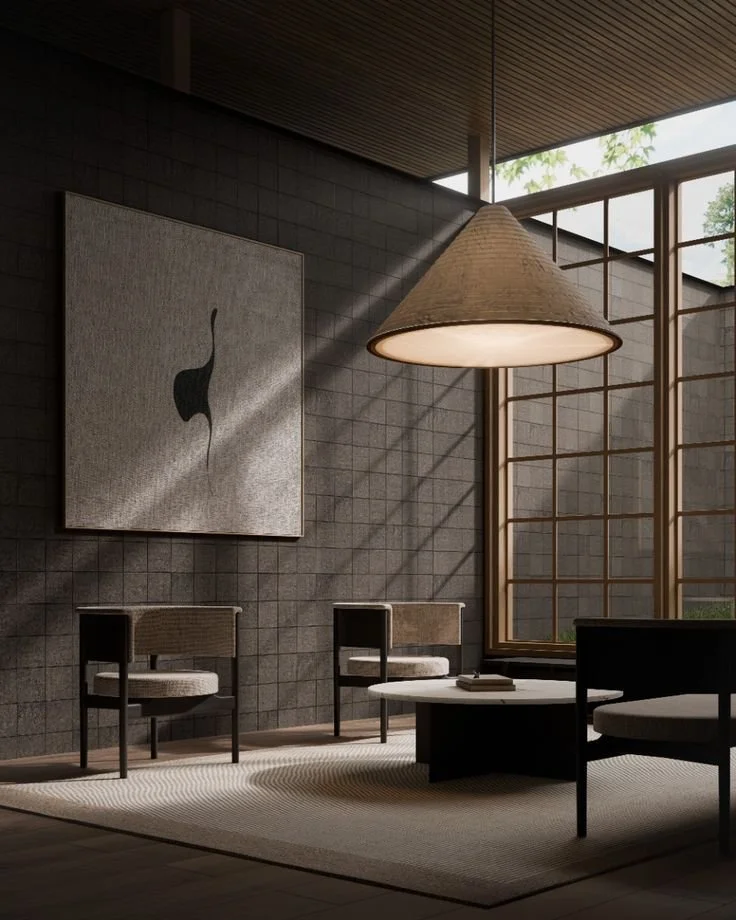
Japanese Interior design style. A Pinterest image showing a Japanese‑style living room defined by balance, restraint, and natural materials. A large pendant light hangs as the quiet focal point, illuminating the space with soft, diffused light. Minimal furniture sits low to the ground, allowing natural light to move freely across the room and cast gentle shadows. Tactile materials — wood, paper, stone, and fabric — create a calm, grounded atmosphere. The composition reflects the Japanese concept of ma, the intentional use of negative space to bring harmony, clarity, and emotional stillness. https://uk.pinterest.com/pavlina0441/japanese/
Tribal Interior Design Style
Summary: Tribal style draws on indigenous patterns, earthy palettes, and handcrafted textures. It’s about storytelling through textiles, carvings, and symbolic motifs.
Colour Direction: Rich earth tones — ochre, burnt orange, deep brown, and clay red — contrasted with bold black and white geometric patterns. Natural fibres, leather, and woven textures reinforce authenticity.
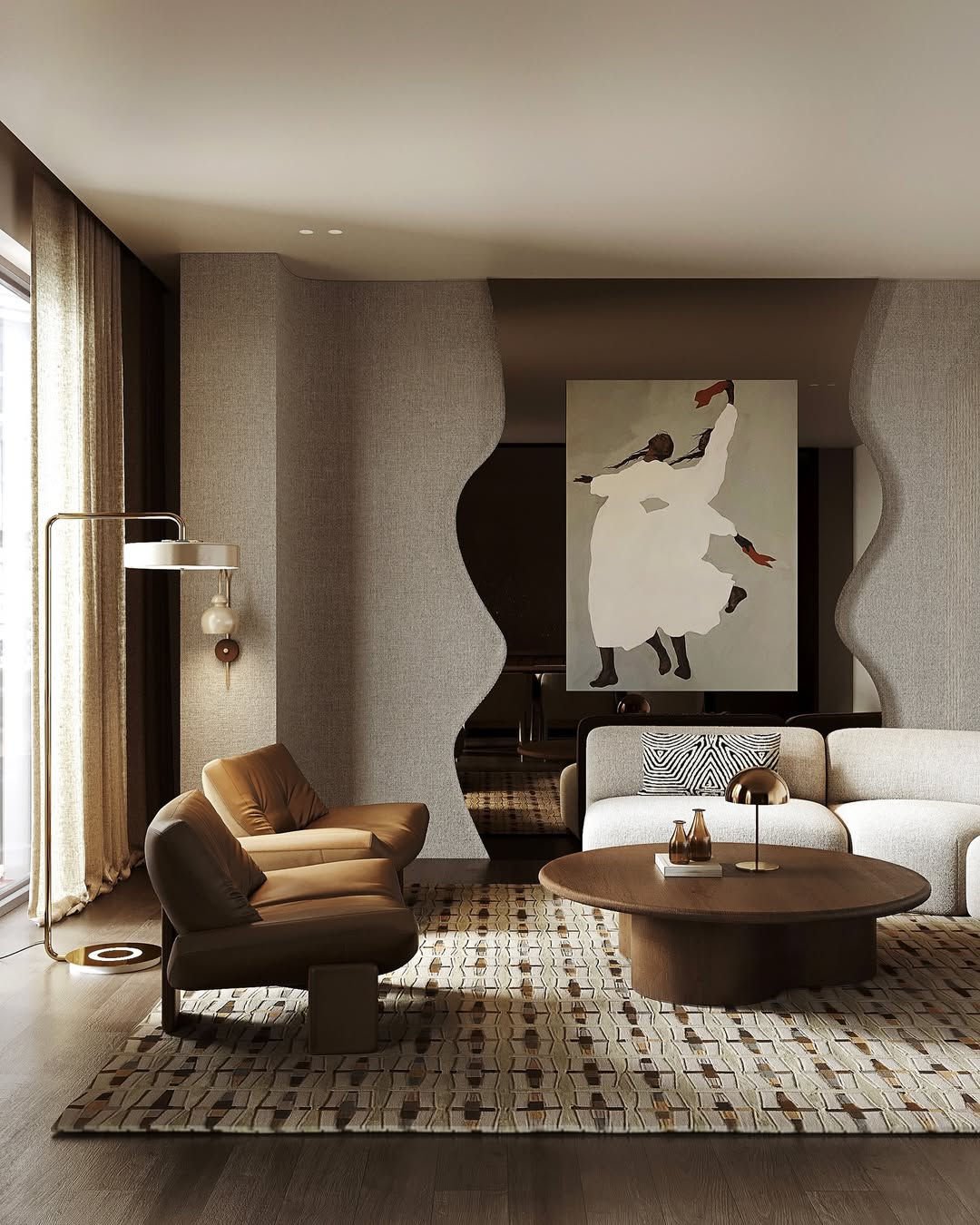
Tribal Interior Design Style. https://uk.pinterest.com/pavlina0441/trible/ An image showing a tribal‑inspired living space featuring a large, expressive painting of a woman as the focal point. The room includes an earthy, patterned rug with tribal motifs, natural materials, and warm, grounded textures. Soft light enhances the handcrafted details, creating a space that feels soulful, tactile, and deeply connected to cultural storytelling. The overall mood reflects the essence of tribal design — symbolic, earthy, and rich with heritage.
You can explore more here:
• my [Bathroom Concept Boards → /concept-boards]
• my [Recent Articles → /articles]
• my [Home page ]
Continue Your Journey
Every interior design style offers a different way of living. From minimalist spaces and Scandinavian warmth to Japanese simplicity and contemporary elegance, understanding the principles behind each style helps you make confident design decisions that feel authentic rather than trend-led. The most successful homes draw inspiration from these ideas while remaining personal to the people who live in them.
Read Next
Modern vs Contemporary Interior Design Explained
Understand the key differences between modern and contemporary interiors and learn how each approach influences the way a home looks and feels.
Scandinavian and Nordic Interior Design Ideas for Cambridge Homes
Explore how Scandinavian and Nordic design principles create calm, functional and timeless interiors inspired by natural materials and everyday living.
Japandi Interior Design Ideas for Calm Contemporary Living
Discover how Japanese simplicity and Nordic warmth combine to create beautifully balanced interiors centred around calm, craftsmanship and intentional living.
Return to the Chapter
Interior Design Styles & Ideas
Explore timeless interior design styles, inspiring ideas and thoughtful design approaches that help you create contemporary homes with character, balance and lasting appeal.