
Space Planning Ideas for Contemporary Homes in Cambridgeshire
Space planning plays an essential role in shaping how homes feel, function, and support everyday living. Through thoughtful layouts, balanced spatial flow, natural light, and functional interior design, homes in Cambridgeshire can feel calmer, more organised, and better connected to contemporary living while making the most of the available space and architecture.
Introduction
If you're redesigning your home — whether it's a compact space or a full renovation — one of the most important elements to get right is space planning.
While many people focus on furniture, finishes or colours, it is the layout — how a space is organised and how it flows — that ultimately defines how a home feels and functions.
In this guide, we explore how thoughtful space planning can transform even the smallest interiors into calm, functional and beautifully balanced environments.
Explore Related Guides
What Is Space Planning in Interior Design?
Space planning is the process of organising a room to ensure it works both functionally and visually.
It considers:
Movement and circulation
Furniture placement
Proportion and scale
Light and spatial balance
A well-planned space feels effortless. A poorly planned one can feel uncomfortable — even if the furniture itself is beautiful.

Why Space Planning Matters More Than Furniture
One of the most common misconceptions in interior design is that the right furniture will solve a space.
In reality:
Furniture follows layout — not the other way around
If the layout is not resolved:
Furniture may not fit correctly
Proportions can feel off
Circulation becomes awkward
Lighting no longer aligns with the space
This is often where projects lose cohesion — not because of individual choices, but because the underlying planning was not fully considered.
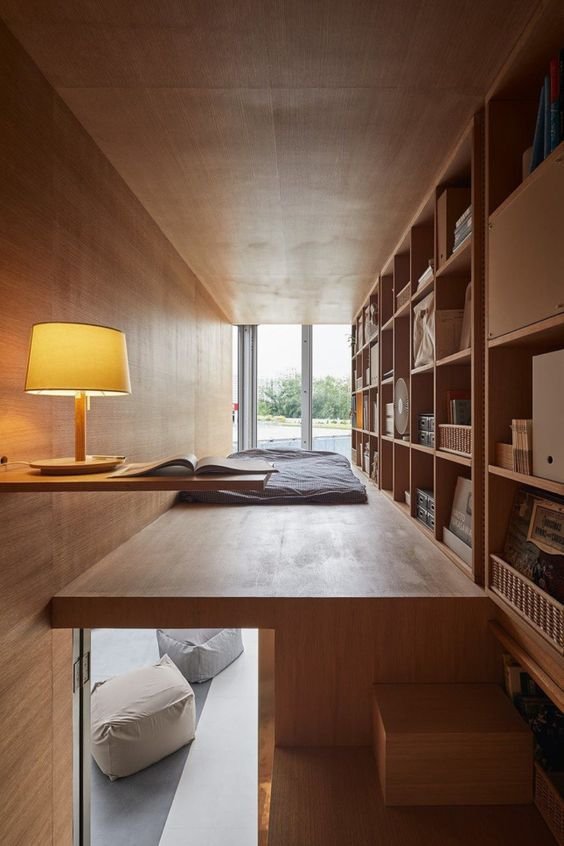
Multi-functional Furniture and Built-in Storage
One of the ultimate weapons in small-space interior design is multi-functional furniture. Look for pieces that serve multiple purposes, such as sofa beds or coffee tables with hidden storage compartments. Built-in storage solutions like shelves and cabinets can also be a game-changer, eliminating the need for additional bulky furniture.
Designing Small Spaces — Making Every Element Work
Small spaces highlight the importance of planning more than anything else.
To design them successfully, every element needs to work together:
1. Layout and Circulation
Think about how you move through the space. Clear pathways create a sense of calm and openness.
Understanding how people move through a space is essential to creating a natural and effortless flow. You can explore this in more detail in our guide on how to plan circulation in open-plan homes.
2. Scale and Proportion
Furniture should suit the size of the room. Oversized pieces can quickly overwhelm a space.
Getting the proportions right is key to making a space feel balanced and architectural. We explore this further in The Power of Proportion: How to Design Rooms That Feel Balanced.
3. Multi-Functional Design
Built-in storage and adaptable furniture help maximise usability without clutter.
4. Light and Visual Balance
Natural light, mirrors, and colour palettes all influence how spacious a room feels.
Lighting plays a crucial role in how a space is experienced, and its placement should always be considered alongside the layout. Our guide on how to layer lighting like a designer explains this in more detail.


Common Space Planning Mistakes
Even well-intentioned projects can fall short without proper planning.
Some common issues include:
Poor furniture placement
Blocking natural light
Incorrect proportions
Overcrowding
Ignoring how spaces connect
These challenges often become more noticeable in everyday use, particularly in kitchens and open-plan spaces where layout is critical. We explore this further in our guides on common kitchen design mistakes to avoid and how to approach awkward layouts.
The Hidden Cost of Poor Space Planning
Poor planning often leads to:
Replacing furniture
Adjusting layouts multiple times
Compromised functionality
A space that never quite feels right
Many of these issues only become apparent once a space is in use, which is why poor planning can often lead to unexpected compromises. We discuss this further in The Hidden Cost of Poor Space Planning.


Renovate or Reconfigure?
In many cases, improving a space doesn’t require major construction.
Reconfiguring the layout can:
Improve flow
Maximise light
Create better functionality
In many cases, improving a space doesn’t require major structural work, but rather a more thoughtful reconfiguration. You can read more about this topic in our Reconfigure or Renovate? How Smart Space Planning Transforms Homes.
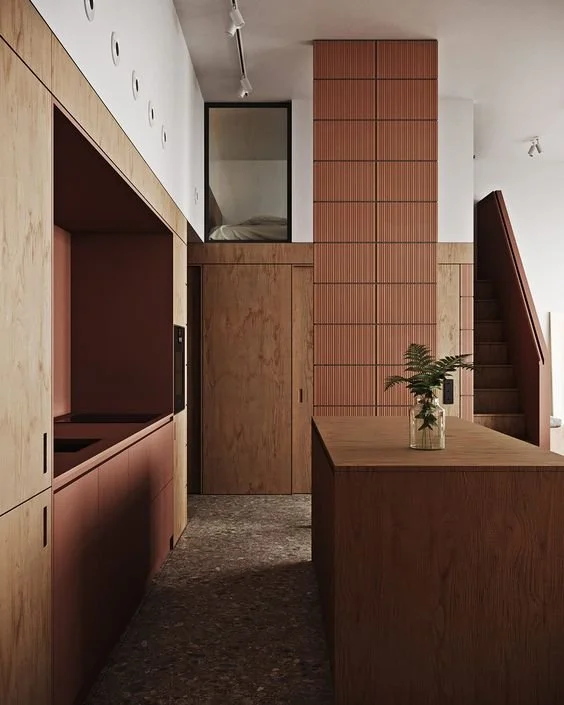
Lighting and Colour Techniques for Small Spaces:
Utilising Natural Light and Artificial Lighting: Maximising natural light is key to making a small space feel more open and inviting. Keep windows free of heavy drapes and use sheer curtains that allow light to filter through. When natural light is limited, artificial lighting comes to the rescue. Layer different light sources like overhead fixtures, task lighting, and table lamps to create a warm and well-lit atmosphere. Choosing Light Colours to Enhance Space. When it comes to colour, lighter shades are your best bet for small interiors. Light colours such as whites, pastels, and neutrals create a sense of airiness and make a space feel more expansive. Avoid using dark or bold colours on walls as they tend to make a room feel smaller and closed in.

Why Working with an Interior Designer Matters
Designing a space is not just about selecting items — it’s about understanding how everything works together.
Working with an experienced interior designer allows you to:
See the full potential of your space
Avoid costly mistakes
Achieve a cohesive, well-resolved result
If you're planning a renovation or looking to better understand the full potential of your home, working with an experienced interior designer can bring clarity and confidence to every decision. You can explore our approach on our interior designer services in the Cambridge page.
Conclusion
A well-designed home is not defined by individual pieces, but by how everything works together.
Space planning is the foundation that supports:
Furniture
Lighting
Materials
Atmosphere
When done well, it creates a home that feels balanced, functional, and effortless to live in.
To embark on your design journey with us, reach out today using the contact form or by calling us at 07968 449090. Be sure to explore our portfolio of previous projects to gain a deeper understanding of the exceptional standards we uphold.
Stay connected with us and stay inspired by following our presence on Facebook, Pinterest, and Instagram. We regularly share captivating designs and insights that will fuel your imagination and keep you informed about our latest endeavours.
Explore Related Guides
Many homeowners assume improving a home requires additional square footage or major construction work. In reality, thoughtful space planning often creates the biggest transformation. Understanding circulation, proportion, layout and flow can help a home feel calmer, more functional and better suited to modern living. If you're exploring ways to improve the way your home works, you may also enjoy reading our guide to Space Planning Interior Design Cambridge.
Continue Your Journey
Every successful interior begins with understanding how space should function before considering colours, furniture or finishes. Thoughtful space planning improves movement, maximises natural light and creates homes that feel intuitive, comfortable and beautifully connected. It provides the foundation upon which every other design decision is built.
Read Next
How to Understand Spatial Potential in Interior Design
Learn how designers recognise the hidden possibilities within a space before making any design decisions.
Smart Space Planning Ideas for Cambridge Homes
Explore practical ways to improve layouts, circulation and functionality through thoughtful space planning.
The Hidden Cost of Poor Space Planning in Interior Design
Discover why poor layouts affect comfort, storage and everyday living, and how good planning transforms the experience of a home.
Return to the Chapter
Renovation & Home Transformation
Explore expert guidance on planning successful home transformations, from space planning and layout design to renovation strategy and creating homes that work beautifully for everyday living.